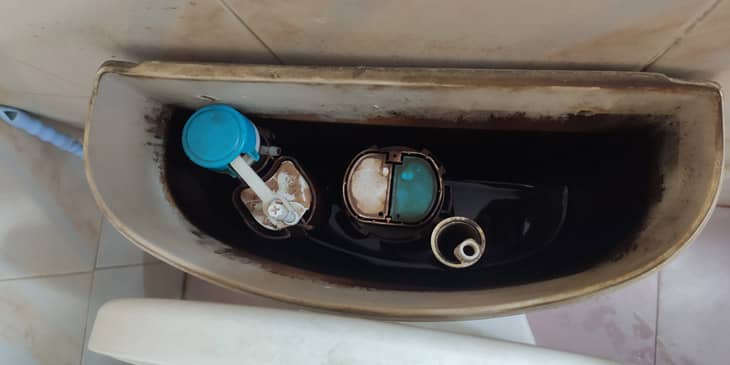
Most homeowners blame the flapper or fill valve when their toilet flush turns weak and slow. In my 20 years repairing toilets across homes in hard-water areas, the real culprit is almost always the siphon jet — that large hole at the bottom of the bowl. Mineral buildup quietly blocks it, killing the powerful siphon action that makes the bowl empty fast. Cleaning it restores full flush power in under an hour. Skip this step and you’ll keep double-flushing or calling a plumber every few months.
This guide walks you through the exact process I use on every weak-flush toilet I service. You’ll learn how to drain the bowl safely, break up calcium and lime deposits, and test the results. After reading, you’ll know exactly when to use vinegar versus CLR, which tools actually work without scratching the porcelain, and when it’s time to stop DIY and call a pro.
They grab a bottle of toilet cleaner and scrub the bowl without draining the water first or targeting the siphon jet directly. The chemicals never reach the deep buildup, and the flush stays weak. Worse, they use metal coat hangers or power tools that scratch the vitreous china and create tiny cracks where bacteria hide. I see this mistake on 8 out of 10 service calls.
Tools and Materials You’ll Need
Gather these before you start — everything is available at any hardware store for under $25 total.
- Rubber gloves and eye protection
- Distilled white vinegar (1 gallon) or CLR Calcium, Lime & Rust Remover
- Old toothbrush or nylon tube brush (narrow enough to fit the jet)
- Plastic-coated wire or small plastic drill bit (1/8-inch max — never powered)
- Small bucket or Tupperware container to bail water
- Sponge or rags
- Plunger (for final test flush)
- Flashlight (to see deep inside the jet)
Pro tip: Skip metal tools. I’ve replaced too many scratched bowls where homeowners used screwdrivers that left permanent grooves.
Step-by-Step: How to Clean Toilet Siphon Jet
Follow these steps exactly as written. I’ve broken everything down so you can see what success looks like at each stage. This process works on every standard gravity-fed toilet — one-piece or two-piece, 1.28 GPF or older models. Give yourself 45–90 minutes the first time. Most homeowners notice dramatically stronger flushes immediately after Step 7.
Put on rubber gloves and safety glasses. Open a window or run a bathroom fan — you’ll be using acid-based cleaners. Place old towels around the base of the toilet to catch any spills. Turn the water supply valve clockwise until it stops (it’s the small knob behind the toilet on the wall or floor). This stops new water from entering the tank. If the valve is stuck or leaking, stop here and call a plumber before proceeding — forcing it can cause a flood. Why this matters: Working with a full bowl means the cleaner never reaches the clog.
Flush the toilet once to empty the tank and bowl as much as possible. Use your small bucket or container to bail out every drop of remaining water from the bowl until the siphon jet hole (the large round or oval opening at the bottom front or back of the bowl) is completely dry and visible. Shine your flashlight into it — you should see a crusty white, yellow, or orange buildup inside. In hard-water homes this layer can be ¼-inch thick. If water keeps trickling in after you shut the valve, the valve is faulty and must be replaced first. This step is non-negotiable — chemicals only work on dry mineral deposits.
Reach into the now-dry siphon jet with your gloved hand or the nylon tube brush. Feel around the inside walls and gently scrape away any soft gunk or loose scale. You’ll know it’s working when small pieces fall into the bowl. Look for the difference: a healthy jet feels smooth and open (about the width of your thumb). A clogged one feels rough and narrow. Do the same for the smaller rim jets under the rim if you can reach them. This mechanical step alone can improve flush strength by 30–40% before you even add cleaner.
For light to moderate buildup, pour 2–3 full cups of distilled white vinegar directly into the siphon jet and let it sit 6–12 hours (overnight works best). The vinegar slowly dissolves calcium without damaging the porcelain. For heavy mineral or rust buildup that has turned the jet into a pinhole, use CLR Calcium, Lime & Rust Remover — follow the label but typically pour ½ to ¾ of the bottle straight into the jet area. Let it sit 1–4 hours (never longer than recommended on the bottle). Never mix vinegar and CLR. Keep the bathroom ventilated and keep pets and kids away. In my experience, the overnight vinegar soak fixes 70% of cases; CLR handles the other 30% in stubborn hard-water towns.
After the soak, the crust will be soft. Use the toothbrush or tube brush to scrub inside the jet hole in circular motions for 2–3 full minutes. Push the brush as far as it will go — you’re cleaning the start of the trapway too. Pour a cup of clean water through the jet; it should flow freely. If it still drips slowly, repeat the soak and scrub. While you’re there, pour a cup of the same cleaner down the tank overflow tube to clean the rim jets at the same time. This prevents side stains and gives you a complete refresh.
Turn the water supply valve back on counterclockwise. Let the tank refill completely. Flush the toilet 3–4 times normally. Now do the real test: fill a 2-gallon bucket with water and pour it all at once into the bowl. A clean siphon jet will create a strong swirling vortex and empty the bowl completely in one powerful motion — no leftover water, no double flush needed. If the swirl is still weak, repeat Steps 4 and 5 once more. This bucket test is how I confirm every job before I leave a customer’s house.
Once the flush is strong again, add 1 cup of white vinegar to the bowl once a month and let it sit 30 minutes before flushing. This keeps minerals from building up again. Check your water hardness at home (test strips cost $10) — if it’s over 180 ppm, plan on cleaning the siphon jet every 4–6 months instead of yearly. Replace the fill valve and flapper every 3–4 years even if they look okay; old parts add rust that speeds up clogging. These simple habits mean most homeowners I service never need another deep clean for years.
Red Flags — Stop and Call a Plumber
What Top Guides Miss About Siphon Jet Cleaning
Most online tutorials show quick videos of someone poking a wire in the hole or pouring vinegar without draining the bowl. They rarely mention that the siphon jet is different from the smaller rim jets under the rim, or that you must test with a full bucket of water to confirm the siphon is restored.
If your toilet is a low-flow 1.0 GPF model from the early 2000s and the jet is only 30% open even after cleaning, the entire bowl design is outdated. No amount of cleaning will give you the strong flush of a modern 1.28 GPF Watersense toilet. In these cases, replacement is faster and cheaper long-term.
| Siphon Jet vs Rim Jets — Quick Comparison | ||||
|---|---|---|---|---|
| Location | Bottom of bowl (large hole) | Under rim (small holes) | ||
| Job | Starts the siphon for strong flush | Cleans bowl sides | ||
| Clog symptoms | Weak swirl, needs 2–3 flushes | Stains on bowl sides | ||
Frequently Asked Questions
How often should you clean toilet siphon jet?
In hard-water areas, clean the siphon jet every 6 months. In soft-water homes, once a year is enough. I tell my customers to do a quick vinegar soak every spring and fall — it prevents 90% of weak-flush calls I get.
Why is my toilet siphon jet clogged with mineral buildup?
Hard water leaves calcium, lime, and rust deposits inside the jet and trapway. “Letting it mellow” (not flushing after every use) makes it worse because urine minerals harden faster. Modern low-flow toilets (1.28 GPF or less) are more prone because they move less water through the jet each time.
Is vinegar or CLR better to clean toilet siphon jet overnight?
Vinegar is safer for regular maintenance and works overnight on light buildup. CLR is stronger and faster on heavy calcium but requires better ventilation and gloves. Never mix the two — the reaction can release harmful fumes. I use CLR only when vinegar fails after one full soak.
Can I use a drill bit or wire to unclog toilet siphon jet?
Yes — but only a small plastic-coated wire or hand-twisted 1/8-inch drill bit. Never use a powered drill. The goal is to break up the crust gently so the acid can finish the job. I’ve seen too many homeowners create hairline cracks that turn into leaks months later.
What causes siphon jet clog and weak flush in toilet bowl?
Mineral scale from hard water is number one. Second is rust from old fill valves or flappers. Third is years of using bleach-based cleaners that don’t dissolve calcium. Once the jet is more than 50% blocked, the toilet loses its siphon action and you get that lazy swirl instead of a strong pull.
Should I clean rim jets and siphon jet at the same time?
Yes. While the bowl is drained, pour a cup of vinegar or CLR through the overflow tube in the tank. This cleans the rim jets at the same time and prevents streaks on the bowl sides. It’s the most efficient way to do a full toilet refresh.
Verdict — When to Clean vs. Replace
If your toilet is under 10 years old and flushes weakly → clean the siphon jet first.
If it’s over 15 years old and cleaning only helps for a month → replace with a modern 1.28 GPF model.
If you live in hard water and clean every 6 months → you’ll keep strong flushes for years without replacement.
Why Is My Toilet Siphon Jet Clogged With Mineral Buildup?
Hard water minerals collect inside the jet because it’s the narrowest point water passes through on every flush. Over time the opening shrinks from 1 inch to the size of a pencil. This drops the effective flush volume and breaks the siphon. In my experience, toilets in areas with water hardness over 180 ppm need this cleaning twice as often as soft-water homes. See our guide to the best flushing toilets if you’re ready to upgrade after cleaning.
Best Way to Clean Toilet Siphon Jet With Vinegar Overnight
Vinegar is my go-to for 80% of jobs because it’s safe, cheap, and effective when left overnight. Drain the bowl completely, pour the vinegar straight into the jet, and let the acid work while you sleep. In the morning the crust will be soft enough to brush away. This method also helps clean the entire trapway without harsh fumes. For prevention, add 1 cup of vinegar to the bowl once a month and let it sit 30 minutes before flushing. A fresh fill valve makes these preventive soaks even more effective.
Fix Weak Flush Toilet by Cleaning Siphon Jet — Final Thoughts
A clean siphon jet is the fastest, cheapest way to bring back strong, reliable flushes. Follow these steps exactly and test with the bucket method — you’ll immediately hear and see the difference. If your toilet still struggles after a thorough cleaning, it’s time to look at the best flushing toilets of 2026 or one-piece models that have larger trapways and fewer hidden spots for buildup. Your bathroom will thank you.
