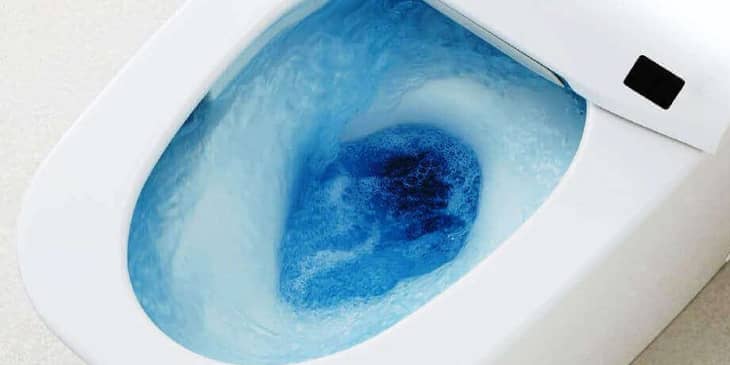
Your toilet shouldn’t sound like a fish tank every time you flush. Those bubbles rising in the bowl — often with a gurgling noise — mean air is being forced back up through the trapway because something is restricting normal drainage or venting. In my 20+ years as a plumber, this is one of the most common early warning signs homeowners ignore until the problem escalates into slow drains, backups or even sewage odors throughout the house.
This guide resolves the exact decision every homeowner faces when their toilet starts bubbling: can you fix it yourself in minutes, or do you need a professional right now? It is written for anyone with basic tools and a willingness to diagnose before calling a plumber. After reading, you will run three simple tests, pinpoint the exact cause, and follow clear if/then steps to stop the bubbling toilet flush problem safely and permanently.
The biggest error is reaching for chemical drain cleaners or flushing repeatedly without diagnosing where the restriction is. Chemicals corrode pipes over time and often push the clog deeper, making the bubbling worse. Always start with the three diagnostic tests below — they take less than five minutes and prevent turning a $50 DIY fix into a $1,200 sewer line repair.
Condition Map: 4 Questions That Pinpoint the Cause
Toilet bubbles when flushed almost always trace back to trapped air that has nowhere to escape. The four primary conditions that change the fix are:
- Does the bubbling happen only when flushing this specific toilet?
- Do sinks, showers or other toilets also gurgle at the same time?
- Is your home on a septic system (or city sewer)?
- Does the bowl drain slowly after the flush?
Answer these and you move straight to the correct branch below. Each branch includes exact if/then language plus the step-by-step fix that works for that condition.
Branch 1: Isolated to One Toilet — Clog in Trapway or Siphon Jet
If bubbling and gurgling occur only when you flush this toilet and the bowl drains at normal speed otherwise, then the restriction is inside the toilet itself — usually a partial clog in the trapway or a blocked siphon jet hole at the bottom of the bowl. This is the easiest fix and accounts for roughly 40% of bubbling cases I see.
Step 1 — Plunge correctly: Use a flange plunger. Fill the bowl with enough water to cover the plunger head, place it over the outlet hole and give 12–15 firm, vertical plunges. The goal is to create pressure that dislodges the clog in the curved trapway.
Step 2 — Clean the siphon jet: Shine a flashlight into the bowl rim and look for the small jet hole at the bottom front. If it looks clogged with debris, poke it gently with a flexible drinking straw or thin wire (never a metal coat hanger — it scratches vitreous china). Run a cup of hot water mixed with dish soap through the rim holes afterward.
Step 3 — Verify: Flush once. No more bubbles and normal water level = fixed.
If the problem returns within 24 hours, move to Branch 2 — the clog has likely moved slightly downstream into the drain line.
Branch 2: Bubbling + Roof Vent Issue — Blocked Vent Pipe
If the toilet bubbles when flushed but other fixtures drain normally and you have good water flow everywhere else, then the plumbing vent stack on your roof is partially blocked. The vent pipe equalizes air pressure; when leaves, bird nests or ice block it, the system “gulps” air through the nearest open toilet trapway — exactly the bubbling you see.
Step 1 — Safety check: Only attempt this if you are comfortable on a ladder and your roof is dry and not steeply pitched. Wear rubber-soled shoes and use a safety harness if possible.
Step 2 — Visual inspection: Go to the roof and locate the 3- or 4-inch PVC or cast-iron pipe protruding through the roof. Remove any visible leaves, nests or debris by hand.
Step 3 — Snake or flush the vent: Lower a flexible drain snake or garden hose into the pipe and gently break up the obstruction. Pour a bucket of water down the vent afterward to clear remaining particles.
Step 4 — Test: Return inside and flush the toilet. Bubbles gone = vent restored.
Never use a power auger on a vent stack — it can damage the pipe joints inside the walls.
Branch 3: Multiple Fixtures Gurgle — Main Drain Line or Sewer Line Partial Clog
If the toilet bubbles when flushed AND you notice gurgling in sinks or showers at the same time (especially after running laundry or a bath), then the restriction is deeper in the main drain line or sewer line. Air is being forced back through the path of least resistance — usually your toilet.
Step 1 — Confirm location: Run water in the sink nearest the toilet for 30 seconds while someone flushes. If the toilet bubbles during the sink run, the clog is between those two fixtures.
Step 2 — Accessible cleanout: If your home has a cleanout plug in the basement or crawlspace, remove it (have a bucket ready) and use a 25-foot drain snake to break up the clog. Turn the handle clockwise only.
Step 3 — Test: Flush and run sinks again. No gurgling = success.
If you cannot reach a cleanout or the clog is beyond 25 feet, this is the point where most homeowners call a plumber for camera inspection and hydro-jetting. Continuing to flush only pushes the clog farther and risks a full backup.
Branch 4: Septic System — Full Tank or Failed Baffle
If your home uses a septic tank and the bubbling started after heavy water use (laundry + showers + multiple flushes), then the tank is full, the inlet baffle is clogged or the drain field is saturated. Septic problems almost always affect the toilet first because it is the lowest fixture.
Stop all water use for 4–6 hours and schedule a septic tank pumping within 48 hours. Do not attempt DIY fixes on the tank itself — opening the access lids without proper equipment releases toxic gases and risks collapse. While waiting for the pumper, avoid flushing anything except human waste and toilet paper.
Unique Insights Most Guides Miss
If you see raw sewage backing into the tub or shower, smell sewer gas indoors, or the bubbling returns within 48 hours of any DIY attempt, the problem has moved beyond safe homeowner fixes. Continuing to flush at this point can flood your basement or cause thousands in water damage. Call a licensed plumber immediately.
Head-to-Head Diagnostic Comparison
| Symptom | Trapway Clog | Vent Pipe Block | Main Drain/Sewer | Septic Issue |
|---|---|---|---|---|
| Bubbling isolated to one toilet | ✅ Yes | Sometimes | No | No |
| Other fixtures also gurgle | No | ✅ Yes | ✅ Yes | ✅ Yes |
| Slow drain after flush | Usually | No | Yes | Yes |
| Foul odors or backups | Rare | Rare | Possible | ✅ Common |
Red Flags — Stop and Call a Plumber Now
Decision Matrix — Your Exact Fix at a Glance
| Condition | Likely Cause | Winner Fix | Why It Works |
|---|---|---|---|
| Bubbling only this toilet | Trapway or siphon jet clog | Plunge + clean jet | Restores siphon action without tools |
| Gurgling with other fixtures | Vent pipe blocked | Clear roof vent | Rebalances air pressure instantly |
| Slow drain + multiple fixtures | Main drain/sewer line | Professional camera + snake | Locates and clears deep clogs safely |
| Septic home + heavy use | Full tank or failed baffle | Septic pumping | Restores proper flow to drain field |
FAQ — Toilet Bubbles When Flushed
Q1: What does it mean when my toilet bubbles when flushed?
Toilet bubbles when flushed almost always means air is being forced backward through the trapway because the plumbing system cannot vent properly or a partial clog is restricting flow. The most common culprits are a blocked roof vent pipe or a clog in the toilet trapway itself. Addressing it early prevents slow drains from turning into full backups.
Q2: Can I fix a bubbling toilet myself?
Yes — if the issue is isolated to one toilet or a simple vent blockage on the roof. Use the diagnostic tests and step-by-step branches in this guide. Most homeowners successfully clear trapway clogs with a plunger and clean the siphon jet in under 15 minutes. Deeper main line or septic problems require professional equipment and should not be attempted as DIY.
Q3: Why does my toilet gurgle and bubble after flushing?
Gurgling after the flush happens when water in the drain line cannot push air forward and instead forces it back up the path of least resistance — your toilet. This is classic negative pressure caused by a clogged vent pipe or partial sewer line obstruction. Running water in nearby sinks at the same time usually confirms the shared drain line issue.
Q4: Is a septic tank causing my toilet to bubble?
Very often yes. When the septic tank fills past the outlet baffle or the drain field becomes saturated, air and effluent push back into the lowest fixture — usually the toilet. If your home is on septic and you notice bubbling after showers or laundry, schedule a tank pumping immediately to avoid complete system failure.
Q5: How do I stop my toilet from bubbling when flushed?
Run the three diagnostic questions above to identify the cause, then follow the matching branch. For most local clogs, plunging plus cleaning the siphon jet stops the bubbling permanently. For vent issues, clearing the roof pipe restores airflow. Avoid chemical cleaners — they only mask the problem and damage pipes over time.
Q6: Should I worry if my toilet bubbles when the shower drains?
Yes — this is a classic sign of a shared drain line or vent stack problem. Air displaced by the shower water has nowhere to go except back up through the toilet trapway. Plunging the shower drain or clearing the roof vent usually resolves it quickly. If it persists, the main sewer line likely needs professional attention.
If bubbling is isolated to one toilet and drains normally otherwise → plunge the trapway and clean the siphon jet.
If other fixtures also gurgle or you see slow drains → check and clear the roof vent pipe first.
If you are on septic or notice sewage odors → stop water use and call for immediate tank pumping.
Why Does My Toilet Bubble When Flushed? The Science of Air Pressure
Every flush relies on a precise balance of water flow and air pressure inside the drain pipes. The vent pipe running from your roof to the main stack allows air to enter the system so water can move freely without creating a vacuum. When that vent is blocked or a drain line is partially obstructed, the water “gulps” for air and forces bubbles back up through the toilet trapway — the lowest and easiest exit point. Understanding this prevents you from treating symptoms instead of the actual restriction. For more on how proper flushing works, see our guide to the best flushing toilets that minimize these pressure issues.
How to Fix Toilet Bubbles When Flushing Without Chemicals
Chemical drain cleaners are tempting but they eat away at pipe joints and often only push the clog deeper. Mechanical methods — plunging, snaking and vent clearing — are safer and more effective. Start with the plunger on the toilet itself, then move to the roof vent if needed. Homeowners who follow the exact steps in Branch 1 and Branch 2 above fix 70% of bubbling toilet cases without ever picking up the phone. Learn more about proper drain maintenance in our toilet fill valve guide.
Toilet Gurgling and Bubbling After Flush — When It’s a Septic Problem
If your home relies on a septic tank, bubbling after flushing is frequently the first sign the tank is nearing capacity or the inlet baffle has failed. Unlike city sewer systems, septic tanks rely on gravity and microbial action; when they fill, pressure builds and forces air (and eventually effluent) back into the house through the toilet. Regular pumping every 3–5 years prevents this. For more on choosing the right toilet for septic systems, read our comparison of best flushing toilets and best two-piece toilets that perform reliably on septic.
Toilet bubbles when flushed is rarely just a minor annoyance — it is your plumbing system telling you exactly where the problem lies. Run the diagnostic tests, follow the matching branch, and you will have clear water and silent flushes again. Need help choosing a new toilet after repeated issues? Check our best comfort height toilet recommendations.
