Most homeowners assume a dual flush toilet automatically cuts water bills in half. After installing and repairing hundreds of them over 20 years, I can tell you the truth: the savings only happen under very specific conditions. Choose wrong and you’ll spend more time and money than with a reliable single-flush model.
This guide explains exactly what a dual flush toilet is, how the mechanism works inside the tank, the real numbers on water savings, and the conditions that make it the right (or wrong) choice for your home. You’ll finish knowing precisely whether to upgrade or stick with what you have.
The biggest error I see in the field is believing the toilet “saves water by itself.” In reality, if your household doesn’t use the half-flush button for 70% or more of flushes (most visits are liquid waste), you get zero net savings — or worse if the dual valve starts leaking. Many families end up flushing twice on the half setting, completely erasing the benefit.
This article is written for homeowners who want to understand dual flush toilets before buying, installing, or maintaining one. It covers the internal mechanism, basic installation steps, daily maintenance, and repair procedures. It assumes you have basic hand tools and comfort working around water lines. It does NOT cover full rough-in changes, commercial installations, or major plumbing reroutes. If your home has low water pressure or very hard water, read the red flags section first — you may need a professional.
Tools and Materials Needed for Dual Flush Toilet Work
For basic maintenance or replacement:
- Adjustable wrench and channel-lock pliers
- Flathead and Phillips screwdrivers
- Bucket and towels for water spills
- New dual-flush valve assembly (if replacing)
- Wax ring and flange bolts (for full install)
- Plumber’s putty or silicone (optional for base seal)
- Flashlight and mirror for tight tank spaces
Pro tip from the field: Always keep a spare dual-flush valve on hand. The dual seals wear faster than a standard flapper, especially in areas with hard water or high mineral content.
How a Dual Flush Toilet Works — Step-by-Step Mechanism
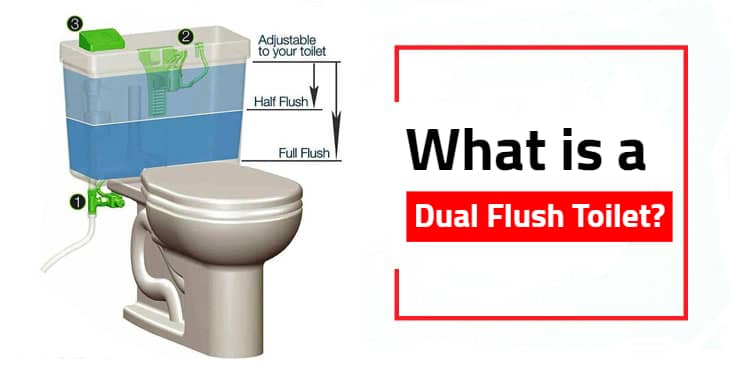
A regular single-flush toilet has one flapper that opens the whole bottom of the tank. A dual flush toilet has a special dual-flush valve with two separate openings inside the same tank. The bigger button on top controls the full flush (1.28 or 1.6 gallons). The smaller button controls the half flush (0.8 or 1.1 gallons). The bowl also has a much wider trapway — usually 4 inches instead of the normal 2–2.5 inches — so even a small amount of water can push waste out effectively.
Press the small (half-flush) button → only the smaller chamber of the valve opens. Water drops quickly through the rim jets and straight down the wide trapway. This “push” action clears liquid waste with very little water. Press the large (full-flush) button → both chambers open at once. The entire tank empties faster and gives a stronger push for solid waste. There is no siphon tube like in old toilets — it’s all gravity and the wide trapway doing the work. That’s why it can use less water but still flush cleanly.
After the flush, the regular fill valve (same as any toilet) refills the tank to the correct water level. The dual-flush valve has small floats or air chambers that automatically reset both openings so the next flush is ready. This reset area is where most problems start — hard water minerals build up here and make one valve stick open, causing a constant running sound and wasted water.
In 20 years of repairs I’ve learned this: the whole cycle takes only 8–12 seconds, but the toilet only saves water if people actually use the small button for liquid waste. If everyone just mashes the big button, you’re paying for a fancy toilet that uses the same water as a regular one.
Dual Flush Toilet Installation Overview
Measure your rough-in distance (almost always 12 inches from the back wall to the center of the flange). Clean the flange completely — no old wax or dirt. Place a fresh wax ring centered on the flange and drop the two closet bolts into their slots. Hand-tighten the bolts so they stand straight up. This is the step most DIYers rush and later regret when the toilet rocks.
Most dual flush models come either one-piece or two-piece. For two-piece units, first set the tank on the bowl with the rubber gasket in place and hand-tighten the three tank-to-bowl bolts. Then carefully lower the entire toilet straight down onto the wax ring and closet bolts. The bolts should come up through the holes in the base. Tighten the closet nuts to “snug plus a quarter turn with a wrench” — no more. Overtightening cracks the china.
Hook the flexible supply line to the fill valve. Turn the water on slowly and watch for leaks at the base and inside the tank. Press both the small and large buttons several times. You should hear a clean flush each time and see no water leaking from the bottom. Let the tank fill completely, then check again after 10 minutes. The wax ring needs time to compress — come back the next day and give the closet nuts one more quarter turn if they feel loose.
Field tip from hundreds of installs: A dual flush toilet takes about the same time as any modern toilet — 30 to 45 minutes for an experienced homeowner. The only extra thing you must do is make sure the dual-flush valve sits perfectly straight inside the tank before you put the lid on. If it’s crooked, one button will always stick.
Red Flags — Stop and Call a Plumber
What Most Review Sites Miss About Dual Flush Toilets
Top-ranking pages give the basics but never mention the real-world failure points plumbers see daily. Dual-flush valves have twice as many rubber seals as a standard flapper. In hard-water areas these seals harden and leak within 4–7 years, turning your “water-saving” toilet into a 24/7 water waster.
Skip dual flush entirely if your household has inconsistent users (kids, guests, elderly) who forget or refuse to use the half-flush button. The savings disappear the moment the light button isn’t used 70% of the time. Also skip in rentals or short-term homes — the extra maintenance isn’t worth it.
FAQ — Dual Flush Toilet Questions Answered
What is a dual flush toilet?
A dual flush toilet is a water-saving toilet that gives you two flush options — a low-volume flush (usually 0.8–1.1 gallons) for liquid waste and a full-volume flush (1.28–1.6 gallons) for solid waste. It uses a special dual-flush valve in the tank and a larger trapway in the bowl to clear waste efficiently with less water overall.
How much water does a dual flush toilet save?
When used correctly (half-flush for 70%+ of flushes), a dual flush toilet saves 20–30% more water than a standard 1.6 GPF single-flush model — roughly 2,500 to 4,000 gallons per year for a family of four. Poor usage habits or leaking valves can eliminate all savings.
What are the pros and cons of dual flush toilets?
Pros include lower water bills and environmental benefits. Cons include higher upfront cost, more frequent valve maintenance, and potential performance issues if users don’t press the correct button consistently or if the home has hard water.
How do dual flush toilets compare to single flush toilets?
Dual flush models use variable water volumes while single flush toilets always use the same amount (usually 1.28 or 1.6 GPF). A properly used dual flush toilet saves water; a single flush toilet is simpler, cheaper to maintain, and more reliable in high-use or hard-water homes. See our full best flushing toilets comparison.
Are dual flush toilets hard to repair?
Most repairs involve replacing the entire dual-flush valve assembly rather than individual parts. It takes 15–20 minutes with basic tools. If the tank runs constantly or buttons stick, replace the valve — don’t try to patch old seals.
Is a dual flush toilet right for my home?
It is right if your household has high water bills, consistent users who will use the half-flush button, and you don’t mind checking the valve every 4–5 years. It is not right in rentals, homes with inconsistent users, or areas with very hard water and low pressure.
If your monthly water bill exceeds $60 and everyone in the house will reliably use the half-flush button → choose dual flush and you’ll save real money.
If you have kids, guests, or forgetful users → stick with a high-efficiency single flush toilet instead.
If you live in hard water or low pressure areas → test your current toilet first or go single flush to avoid constant repairs.
Benefits of Using a Dual Flush Toilet
Dual flush toilets shine in homes where water conservation matters. The low-volume flush uses roughly half the water of a standard flush for the majority of daily uses. Over time this adds up to measurable savings on your utility bill and reduces strain on local water systems. They also qualify for many WaterSense rebates in certain states. The design forces you to think about waste type, which naturally promotes better water habits.
Explore our top-rated dual flush models here if you decide this is the right path for your bathroom.
Dual Flush Toilet vs Single Flush Toilet Comparison
Single flush toilets are simpler mechanically — one flapper, one volume. They are cheaper to buy and maintain. Dual flush toilets offer variable flushing but introduce more seals that can fail. Performance-wise, a well-maintained dual flush clears the bowl with less total water when used correctly. In high-traffic homes or with inconsistent users, single flush toilets often deliver more consistent results without the learning curve.
For a deeper look at performance across brands, check our best flushing toilets guide.
Dual Flush Toilet Installation Guide and Maintenance Tips
Installation follows the same basic steps as any modern toilet, but pay extra attention to the tank-to-bowl seal and water supply connection to the fill valve. Once installed, inspect the dual-flush valve every six months. Clean rim jets with a toothbrush and vinegar to prevent clogs on the half-flush. Replace the entire valve assembly every 5–8 years rather than fighting individual seals — it’s faster and prevents hidden leaks that waste hundreds of gallons.
Need professional help with the swap? See our toilet installation cost guide for realistic pricing in your area.
Ready to decide on a dual flush toilet? The mechanism is simple once you see it in action, but the real savings depend entirely on how your household actually uses the buttons. Choose based on your water bill, user habits, and willingness to maintain the dual valve — and you’ll make the right call every time.
