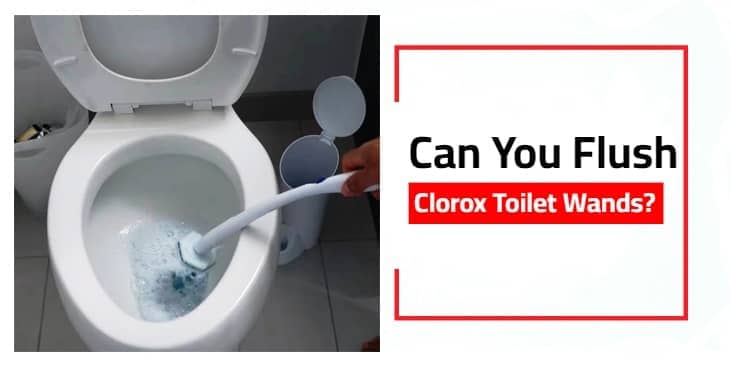
Most people see the word “disposable” on a Clorox Toilet Wand head and assume it belongs in the toilet like toilet paper. It does not. Flushing these heads is one of the most common mistakes I see in 20+ years of plumbing work — and it frequently leads to slow drains, full clogs, or expensive service calls.
This guide shows you exactly why Clorox Toilet Wand heads are not flushable, what happens inside your pipes when one goes down, the correct step-by-step disposal method, and what to do right now if you (or someone in your house) already flushed one. You will finish reading knowing how to avoid the problem entirely.
They treat the pre-loaded scrubbing head like toilet paper or a “flushable” wipe. The sponge-like material plus the small plastic connector does not break down or dissolve. It lodges in the toilet trapway or drain line, catches other debris, and slowly builds a blockage that can cost $200–$600 to clear.
• Written for everyday homeowners using the Clorox ToiletWand system
• Covers correct use, safe disposal, and emergency retrieval if a head is flushed
• Does NOT cover full toilet removal or main-line sewer repairs (call a licensed plumber for those)
• Assumes basic familiarity with flushing a toilet and emptying a trash bin
• When to stop DIY: if water backs up into other fixtures or you hear gurgling in walls
Official Clorox Instructions — Always Trash the Head
Clorox’s own product page and usage guide state clearly: Do not flush cleaning head. After scrubbing, slide the blue or grey release button forward and drop the used head straight into a closed trash bin.
The heads contain non-biodegradable fibers and a small plastic locking piece designed to click onto the wand. These materials stay intact in water and easily catch in the curved trapway just below the bowl.
Step-by-Step: Correct Way to Use and Dispose of a Clorox Toilet Wand Head
Flush the toilet once so that only clear water remains in the bowl. This step is critical because it removes solid waste and allows the Clorox cleaning solution to make full, undiluted contact with stains, bacteria, and mineral buildup. Starting with a bowl full of waste reduces the cleaner’s effectiveness and makes the scrubbing messier. In my experience, skipping this flush is one of the top reasons people think the wand “didn’t work well.”
Open the pouch or box of Clorox Toilet Wand refills. Hold the reusable wand handle straight up and push it firmly and vertically down onto the new cleaning head until you hear and feel a distinct “click.” The hexagonal-shaped head must lock securely — a loose connection will cause the head to pop off mid-scrub. Never push at an angle or force it; the design only works when inserted straight.
Dip the attached cleaning head into the toilet bowl water for exactly 1–2 seconds. This activates the pre-loaded Clorox cleaner formula. Do not soak it longer than 2 seconds — excess water can dilute the solution before it reaches the bowl surfaces. The head is now ready to scrub.
Scrub the entire toilet bowl using firm but controlled strokes. Pay special attention to the area under the rim (where bacteria and mold hide), the bowl walls above the water line, and around the siphon jet holes. The hexagonal shape of the Clorox head is specifically designed to reach these hidden spots. For normal sanitizing, let the solution sit visibly wet for a minimum of 5 minutes. For full disinfection (killing 99.9% of viruses and bacteria), leave it for 10 minutes. Do not wipe or rinse during this time — the cleaner needs contact time to work.
Hold the wand handle over a lined trash can or waste bin (keep the lid open and the bin within easy reach). Press the cleaning head gently against the inside of the toilet bowl rim to remove excess water, then slide the blue or grey release button forward. The head must drop straight into the trash bin — never release it directly over the toilet bowl. Do not touch the used head with your hands. Close the trash lid immediately after disposal. This step prevents any chance of the non-biodegradable head accidentally falling back into the toilet.
If any cleaner residue remains on the end of the wand handle, wipe it quickly with a paper towel. Do not rinse the handle under running water or store it wet — excess moisture can lead to mold inside the caddy. Slide the clean wand handle back into its wall-mounted or freestanding caddy for storage. Keep the caddy in a well-ventilated area away from direct water splash.
After the contact time has passed and the head is in the trash, flush the toilet once more to rinse away any remaining cleaner solution. Visually check that the bowl looks clean and no head material is floating or stuck in the trapway. Proper disposal and flushing at this stage keeps your trapway clear and your septic system (if you have one) protected.
Keep a small lined trash can right next to the toilet during cleaning. Making the “release into trash” step automatic eliminates the #1 mistake I see — heads accidentally dropping back into the bowl.
Red Flags — Stop and Call a Plumber Immediately
What to Do If You Accidentally Flushed a Clorox Toilet Wand Head
Act fast. The head usually stops in the toilet’s S-trap (the first bend under the bowl). Here is the exact retrieval procedure:
Turn off the water supply valve behind the toilet.
Place the hose end in the bowl and vacuum the trap. Many heads come back up this way.
Feed the cable gently into the bowl and turn the handle clockwise. Hook and pull the head back out.
Remove the toilet from the floor (requires two people and new wax ring). This is usually the point where homeowners call a plumber.
Septic Systems and Clorox Toilet Wands
The cleaner formula itself is septic-safe when used as directed (Clorox confirms this). Because you never flush the heads, the septic tank never sees the non-biodegradable material. Trash the heads — problem solved.
Best Alternatives If You Want Zero Clog Risk
Switch to a traditional toilet brush stored in a sanitizing caddy, or use a pumice stone on stains plus baking soda + vinegar. Both are fully flush-free and septic-safe. Several generic disposable wand systems now clearly label “trash only” on the packaging — same rule applies.
If you have a macerating toilet or Saniflo-style system, the risk is even higher — the head can jam the grinder blades and cause total failure. In those homes, never bring a Clorox Toilet Wand into the bathroom at all.
FAQ
Can you flush Clorox Toilet Wand heads?
No. Clorox officially states “Do not flush cleaning head.” The heads must go in the trash. Flushing them violates the product instructions and risks clogs.
Are Clorox toilet wands flushable?
The wand handle stays out of the toilet. Only the disposable heads are involved — and they are explicitly not flushable. Always release them into the trash.
What happens if you flush a Clorox toilet wand head?
The head usually lodges in the toilet trapway. It catches toilet paper and waste, creating a slow drain or complete clog that may require an auger or toilet removal to fix.
How to dispose of Clorox toilet wand heads?
After scrubbing, slide the release button and drop the head straight into a closed trash bin. Never touch the used head with your hands.
Are Clorox toilet wand refills septic safe?
Yes — when used correctly and the heads go in the trash. The cleaner formula will not harm septic bacteria, but the physical heads must never enter the system.
Do Clorox toilet wands clog toilets?
Only if the head is flushed. Thousands of homeowners and plumbers report exactly this issue. Proper trash disposal prevents any clog risk.
Accidentally flushed Clorox toilet wand — what to do?
Stop flushing. Turn off the water valve. Try a shop vac or toilet auger first. If unsuccessful, call a plumber before the clog worsens or backs up into other drains.
• If you own a Clorox Toilet Wand → always trash the head after every use.
• If a head has already been flushed and your toilet is slow → retrieve it now with a vacuum or auger.
• If you want zero worry → switch to a traditional brush or fully flush-free cleaning method.
Follow these steps and you will never pay a plumber to remove a $2 cleaning pad.
Are Clorox Toilet Wands Flushable?
The short answer is no — the heads are not flushable. Clorox designed the system for convenience, not for the sewer. The sponge material plus plastic connector stays solid in water and catches in the first pipe bend. Treating them like flushable wipes is the exact mistake that leads to the service calls I handle weekly. Learn more about what actually flushes cleanly in modern toilets.
Clorox Toilet Wand Heads: Trash or Flush?
Trash every single time. The release button makes disposal hygienic and touch-free. Flushing them creates the same problem as flushing paper towels or feminine products — except the heads are shaped to wedge perfectly in a toilet trap. Proper disposal keeps your plumbing free-flowing for years. When a small mistake turns into a big repair bill.
Clorox Toilet Wand Refills Septic Safe — If You Follow the Rule
The cleaner is septic-safe per Clorox. The physical heads are not. Keep the heads out of your septic system entirely by dropping them in the trash. This simple habit protects the beneficial bacteria in your tank and prevents the fibrous material from reaching your drain field. For more on septic-friendly habits, see our guide to low-water flushing systems that work safely with septic tanks.
Need help choosing a toilet that handles everyday use without drama? Check our best flushing toilets or top toilet brands comparison. Keep your plumbing happy — and your wallet even happier.
