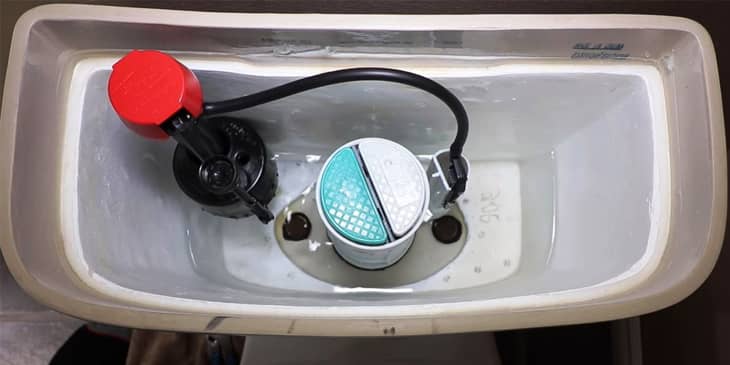
A dripping sound inside your toilet tank is one of those small noises that quietly wastes hundreds of gallons of water every month. Most homeowners hear it for weeks before realizing the bill is climbing, and the fix seems simple — until you open the lid and see multiple parts that could be guilty.
This decision tree guide resolves exactly why your toilet tank is making that dripping sound. It is written for any homeowner who wants to diagnose the issue in minutes and fix it without calling a plumber. After reading, you will know the precise condition causing your sound and the exact next step that stops it for good.
The most common mistake is swapping the fill valve first without running the dye test or checking water level drop. Nine times out of ten the real culprit is a worn flapper that fails to seal completely. Replacing the wrong part wastes time and money while the leak continues.
Tools and Materials You Will Need (All Branches)
Basic tools (have these ready before starting):
• Food coloring (red or blue works best)
• Flashlight
• Adjustable pliers or channel-lock pliers
• Flathead screwdriver
• Clean rag or paper towels
• Gloves (optional but recommended for handling old parts)
• Bucket (to catch water if needed)
Replacement parts you may need (buy only after diagnosis):
• Universal or exact-fit flapper ($8–15)
• Complete fill valve kit ($20–40)
• Refill tube (if damaged, usually included with new fill valve)
Condition Map: The 4 Primary Conditions That Change the Fix
The dripping sound inside the toilet tank is never random. Four clear conditions determine the cause and solution. Observe when the sound occurs, whether the fill valve activates, and the results of two quick tests below. These conditions branch into completely different repairs.
- Condition 1: Sound is intermittent and only after flushing or every few hours.
- Condition 2: Constant dripping sound with the fill valve running periodically.
- Condition 3: Sound happens right after a flush and stops when you lift the refill tube higher.
- Condition 4: Intermittent dripping with no visible water movement but tank level slowly drops.
If the Sound Happens After Flushing (Most Common — Flapper Leak)
If your dripping sound inside the toilet tank starts shortly after you flush and continues intermittently, the flapper is almost certainly not sealing against the flush valve seat. Water slowly leaks from the tank into the bowl. The fill valve then kicks on every 30–60 minutes to refill what was lost.
1. Remove the tank lid carefully and set it aside on a towel.
2. Add 10–15 drops of food coloring directly into the tank water (do not stir). Wait exactly 10–15 minutes without flushing or touching anything.
3. Look inside the bowl. If any color appears in the bowl water, the flapper is leaking — this is your confirmation.
4. Turn off the water supply valve behind the toilet (turn clockwise until it stops).
5. Flush the toilet once to empty most of the tank water.
6. Reach in and lift the flapper straight up off the flush valve pegs. Inspect the rubber sealing surface for cracks, warping, mineral buildup, or grooves.
7. Clean the flush valve seat thoroughly with a rag or your gloved finger — remove all debris or hard water scale.
8. If the flapper shows any wear, replace it with an exact-size match (measure the flush valve opening — usually 2″ or 3″). Snap the new flapper onto the pegs.
9. Turn the water supply back on slowly. Flush twice and listen for complete silence.
10. Wait 15 minutes and re-check the bowl for color (should stay clear).
Why the alternative is wrong: Replacing the fill valve here does nothing because the leak is downstream of the fill valve. The tank keeps losing water to the bowl, forcing constant refills.
If Constant Dripping Sound and Fill Valve Runs Periodically (Fill Valve or Overflow Issue)
Constant or near-constant dripping sound inside the toilet tank with the fill valve activating every few minutes points to either a fill valve that never fully shuts off or a cracked overflow tube allowing water to trickle down below the water line.
1. Open the tank lid and observe the water level for 2–3 minutes. Note if the fill valve is making a humming or running sound periodically.
2. Turn off the water supply valve behind the toilet.
3. Flush the toilet to empty the tank completely. Watch the water level for 15 full minutes with the supply still off.
• If the level drops noticeably, go back to Condition 1 (flapper leak).
• If the level stays completely steady, the fill valve is the culprit.
4. Turn the supply valve back on just enough to refill the tank halfway, then turn it off again.
5. Lift the float cup or arm to its highest position manually. If the dripping sound and water flow stop immediately, the float was set too high — lower the adjustment screw or clip by ¼ inch and test again.
6. If lifting the float does not stop the flow, the internal diaphragm or seal inside the fill valve is worn.
7. Disconnect the water supply line from the bottom of the fill valve using pliers (have a rag ready for drips).
8. Unscrew the old fill valve from the tank bottom (usually a large plastic nut underneath the tank — hold the valve from inside while unscrewing).
9. Install the new fill valve following the manufacturer’s height markings so the float cup sits correctly when the tank is full.
10. Reconnect the supply line, turn water on slowly, and adjust the water level to ½ inch below the overflow tube top. Flush twice and confirm silence.
Why the alternative is wrong: Cleaning the flapper here changes nothing because the leak is at the inlet valve level. Water is either overfilling or leaking internally before reaching the flush valve.
If Sound Stops When You Lift the Refill Tube Higher (Refill Tube Siphon)
Some dripping sounds inside the toilet tank happen only right after flushing and stop the moment you lift the small refill tube out of the overflow pipe and reposition it higher. This is a siphon effect pulling water back down the tube.
1. Remove the tank lid and locate the small flexible plastic refill tube clipped to the top of the fill valve. It should run down into the tall overflow tube.
2. Listen carefully right after a flush — the dripping sound should be coming from inside the overflow tube.
3. Gently unclip the refill tube from the overflow tube using your fingers or a flathead screwdriver.
4. Lift the end of the refill tube so it sits at least 1 inch (2.5 cm) above the current water line inside the overflow tube.
5. Re-secure the tube with the plastic clip provided (or a zip tie if the clip is missing).
6. Flush the toilet once to test. The dripping sound should stop immediately.
7. Check again after 10 minutes — no further sound means the siphon effect is resolved.
Why the alternative is wrong: Replacing the flapper or fill valve here solves nothing because the issue is placement, not wear. This fix costs zero dollars and takes 20 seconds.
If Intermittent Dripping with No Visible Water Movement but Tank Level Slowly Drops (Float Mechanism or Subtle Fill Valve Drip)
When you hear an intermittent dripping sound inside the toilet tank but see no obvious water movement, bubbles, or fill valve cycling, yet the tank water level drops slowly over 30–60 minutes, the cause is usually a misadjusted or worn float mechanism or a subtle internal leak in the fill valve seal that allows tiny amounts of water to escape without triggering a full refill cycle.
1. Remove the tank lid and use a flashlight to observe the water level for 5 minutes without flushing.
2. Mark the current water level on the inside tank wall with a pencil or piece of tape.
3. Wait exactly 30 minutes without using the toilet. Return and check the marked level.
4. If the level has dropped noticeably (½ inch or more) with no audible fill valve running, proceed.
5. Turn off the water supply valve behind the toilet.
6. Flush once to lower the water level, then turn the supply back on just enough to refill halfway.
7. Manually lift the float cup or arm to its absolute highest position and hold it there for 30 seconds. If the dripping sound stops completely and water stops entering the tank, the float adjustment is the issue.
8. Lower the float adjustment clip or screw by ¼ inch increments, refill the tank, and re-test the level drop over 15 minutes.
9. If lifting the float does not stop the drip, the fill valve’s internal seal is slowly failing. Replace the entire fill valve following the exact steps in Condition 2 above.
10. After repair, mark the water level again and confirm zero drop after 30 minutes of monitoring.
Why the alternative is wrong: Replacing the flapper here changes nothing because the dye test (run first) would have been negative — the leak is at the inlet side, not the outlet.
Unique Section: What Every Competitor Misses About Toilet Tank Dripping Sounds
If your toilet is less than 2 years old or you replaced both the flapper and fill valve within the last 12 months and the dripping sound inside the toilet tank returns, the answer flips. Stop DIY and inspect the tank-to-bowl bolts or call a plumber — a hairline crack in the porcelain or loose tank mounting is now the most likely cause.
| Condition | Most Likely Cause | Quick Test | Fix |
|---|---|---|---|
| Intermittent after flush | Flapper not sealing | Dye test positive | Replace flapper |
| Constant + fill valve runs | Fill valve or overflow | Water level steady when supply off | Replace fill valve |
| Stops when refill tube lifted | Refill tube siphon | Lift tube = instant silence | Reposition tube higher |
| Intermittent dripping, tank level drops slowly, no visible movement | Float mechanism or subtle fill valve drip | 30-minute level drop test + lift float | Adjust float or replace fill valve |
Frequently Asked Questions
What causes dripping sound inside the toilet tank if there is no visible leak on the floor?
The dripping sound inside the toilet tank with no floor leak is almost always an internal leak from the tank directly into the bowl. The two most common sources are a worn flapper that does not seat fully or a fill valve that never shuts off completely and sends water down the overflow tube. Both waste water silently but trigger the fill valve periodically.
How to fix dripping sound inside the toilet tank fast?
Run the food coloring test first. If color reaches the bowl, replace the flapper. If the level stays steady when the supply is off, replace or adjust the fill valve. Reposition the refill tube higher if the sound stops instantly when you lift it. These three steps cover 95% of cases and take under 10 minutes total.
Why is my toilet tank making a dripping sound after I already replaced the flapper?
If the dripping sound inside the toilet tank continues after a new flapper, the fill valve is the next suspect. The old flapper was masking the real issue. Turn off the supply valve, empty the tank, and listen. If no drip occurs, the fill valve was overworking the old flapper. Replace the fill valve next.
Can a dripping sound inside the toilet tank waste a lot of water?
Yes. A slow flapper leak can waste 20–50 gallons per day. A fill valve that never fully closes can waste over 200 gallons daily. At average U.S. water rates that equals $150–$300 extra per year on your bill. Fixing it pays for itself in weeks.
Is the dripping sound inside the toilet tank dangerous?
Not immediately dangerous, but ignored leaks raise water bills and can eventually cause mold or higher humidity in the bathroom. In rare cases a cracked overflow tube or loose tank bolts can lead to larger leaks later. Address it within a week to stay ahead of bigger problems.
Should I call a plumber for dripping sound inside the toilet tank?
Only if the simple tests and part replacements fail, or if your toilet is brand new and still leaks. Most cases are straightforward DIY. If you see water around the tank base bolts or the tank itself is cracked, stop and call a professional — those require tank removal.
Verdict — Choose the Right Fix in Seconds
If the dye test shows color in the bowl → replace the flapper immediately.
If the tank level stays steady with supply off → replace or adjust the fill valve.
If lifting the refill tube stops the sound → reposition the tube higher and you are done.
If level drops slowly with no obvious movement → adjust or replace the fill valve/float mechanism.
One of these four conditions will match your toilet tank dripping sound. Follow the matching branch above and the noise ends today.
Why Is My Toilet Tank Making a Dripping Sound
The dripping sound inside the toilet tank is the audible result of water moving where it should not. Either it leaks past the flapper into the bowl or it trickles down the overflow tube from a fill valve that refuses to close. Both force the fill valve to cycle repeatedly, creating the periodic or constant dripping you hear. Modern low-flow toilets (1.28 GPF or less) are especially sensitive to small leaks because the tank refills more frequently. Understanding the exact timing of the sound points you straight to the guilty part.
Internal leaks like this are invisible on the floor but appear clearly on your water meter or bill. Learn more about choosing the right fill valve here if replacement becomes necessary.
How to Fix Dripping Sound Inside the Toilet Tank
The fastest way to stop dripping sound inside the toilet tank is to match the symptom to the correct branch above and follow the exact steps. Most fixes require no tools beyond a pair of pliers and cost under $30 in parts. Always turn off the water supply valve first to avoid flooding the bathroom. After any repair, flush twice and listen for silence. If the sound returns within 24 hours, re-run the dye and level tests — you may have two issues at once (rare but possible in older two-piece toilets).
For extra help choosing replacement parts, see our complete guide to the best toilet fill valves. The right model lasts 8–10 years instead of 2–3.
Causes of Dripping Noise in Toilet Tank
The four leading causes of dripping noise in a toilet tank are a worn flapper, a faulty fill valve, a mispositioned refill tube, and — far less often — a cracked overflow tube. Mineral buildup on the flush valve seat or float arm sticking are secondary causes that appear after 5–7 years of hard water use. Every cause produces a slightly different sound pattern and timing, which is why the decision tree above works so reliably. Addressing the root cause instead of masking symptoms keeps your toilet quiet and your water bill low for years.
If your toilet is older than 10 years, consider whether the entire flush system needs upgrading. Our guide to the best flushing toilets shows models that rarely develop these issues thanks to improved valve designs.
The dripping sound inside your toilet tank does not have to be a permanent background noise. Use the condition map, run the two quick tests, and pick the matching fix above. In almost every case you will have complete silence within minutes — and a noticeably lower water bill next month.
