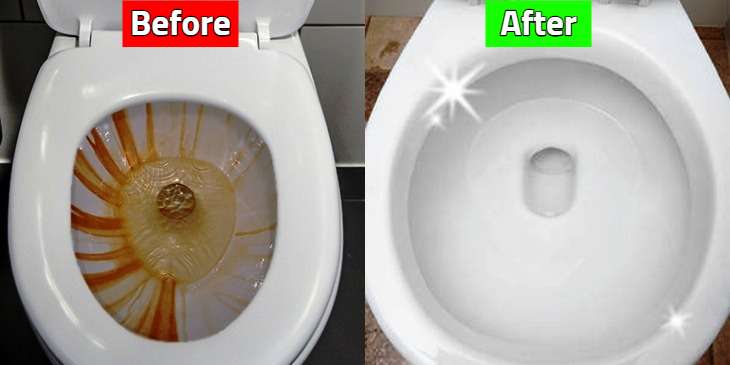
Those stubborn orange or reddish-brown stains under the rim and around the waterline of your toilet bowl aren’t just unsightly — they keep returning because most people only treat the surface instead of the real cause. In my 20+ years as a professional plumber, I’ve seen hundreds of these cases, especially in homes with well water or older pipes. The good news? You can remove even the toughest rust stains safely and permanently when you follow the right procedure.
This expert guide walks you through proven methods that actually work — from natural household remedies to commercial cleaners — plus the exact steps I use on job sites. You’ll also learn why the stains form in the first place and how to stop them from coming back for good.
This guide is written for homeowners with standard porcelain toilets who want to remove rust stains safely. It assumes basic DIY comfort level (turning off water, using a scrub brush). It covers bowl stains only — not full toilet replacement or major plumbing repairs. It does NOT cover non-porcelain surfaces or extremely damaged fixtures. If your stains return immediately after treatment or you see rust inside pipes, hire a licensed plumber.
Tools & Materials You’ll Need
Gather these before you start. Most are already in your home or cost under $15 at any hardware store.
- White vinegar (distilled, 1–2 cups) or CLR Calcium, Lime & Rust Remover or Iron Out powder
- Baking soda (½ cup for paste)
- Pumice stone toilet bowl cleaner (e.g., Pumie brand — safe on porcelain when wet)
- Toilet brush or soft scrub brush
- Gloves, eye protection, and old towels
- Plunger or small bucket to lower water level
- Optional: plastic wrap (to keep paste moist on vertical surfaces)
Step-by-Step Procedure to Remove Rust Stains
STEP 1 — Shut Off Water and Lower the Water Level in the Bowl
This is the most important first step — it lets the cleaner work at full strength instead of being washed away.
- Locate the small water supply valve behind or next to the toilet base (it looks like a lever or round knob).
- Turn the valve clockwise (to the right) until it stops completely — no more water should flow.
- Flush the toilet 1–2 times to empty most of the water from the bowl.
- Use a plunger or a small disposable cup to scoop out any remaining water until the bowl is almost completely dry. Wipe the inside with a towel if needed.
Time required: 2–3 minutes. This step prevents dilution and makes every following step far more effective.
STEP 2 — Choose & Apply the Right Cleaner (Match to Stain Severity)
Different stains need different cleaners. Always wear gloves and work in a well-ventilated bathroom.
- Light to moderate orange stains: Pour 1–2 full cups of white vinegar directly over the stained areas (especially under the rim and waterline).
- Sprinkle ½ cup baking soda evenly over the vinegar — it will fizz and lift the iron deposits.
- Heavy or dark rust stains (well water homes): Mix Iron Out powder or CLR with a little water into a thick paste and spread it generously over the stains.
- For vertical surfaces under the rim, press plastic wrap over the paste to keep it moist longer.
Let it sit: 15–30 minutes for light stains, 1 hour for moderate, or overnight for severe buildup. Do not let it dry out.
STEP 3 — Scrub Safely & Effectively
Now the loosened rust is ready to come off. Use gentle pressure — the cleaner does most of the work.
- Wet your pumice stone or toilet brush thoroughly.
- Scrub in small circular motions, focusing on the worst spots under the rim and around the waterline.
- For stubborn areas, re-apply cleaner and let it sit another 10 minutes, then scrub again.
- Never use steel wool, dry abrasives, or harsh pressure — this can permanently scratch the porcelain glaze.
Tip: Work from top to bottom so loosened particles fall into the bowl. Check your progress every few minutes.
STEP 4 — Rinse, Flush & Set Up Long-Term Prevention
Finish strong so the stains don’t return quickly.
- Turn the water supply valve counterclockwise (left) to turn the water back on.
- Flush the toilet 3–4 times to rinse away all cleaner and loosened rust.
- Wipe the entire bowl with a clean towel or sponge and inspect for any remaining spots.
- For ongoing protection, add 1 cup of white vinegar to the tank once a week (or use an in-tank cleaner tablet).
Your toilet should now look clean and fresh. Repeat the full process monthly if you have hard or well water.
Red Flags — Stop and Call a Plumber
What Most Cleaning Guides Miss About Toilet Rust (Unique Section)
Top-ranking articles tell you to “pour vinegar and scrub.” That’s fine for mild city-water stains, but it completely misses the bigger picture when you have well water or older plumbing. The real fix isn’t endless scrubbing — it’s understanding that rust stains are iron oxide deposits from your water supply. Treating only the bowl guarantees they return.
If stains cover more than 30% of the bowl or return within a week despite proper treatment, stop cleaning and test your water. DIY methods become a waste of time (and can damage the toilet) when iron levels exceed 0.3 ppm. Install a dedicated iron filter instead of fighting the symptom.
| Quick Method Comparison | ||||
|---|---|---|---|---|
| Method | Best For | Time | Cost | Safety Note |
| Vinegar + Baking Soda | Light/moderate stains | 30–60 min | Under $2 | Safest natural option |
| Pumice Stone | Stubborn spots | 10–15 min | $8–12 | Use wet only |
| CLR or Iron Out | Heavy iron buildup | Overnight | $10–18 | Gloves & ventilation required |
FAQ
Q1: How to get rust stains out of toilet bowl fast?
For the fastest results on moderate stains, first turn off the water supply and lower the bowl water level completely. Pour 2 cups white vinegar directly on the stains, sprinkle baking soda to create a fizzing reaction, and let it sit for 30–45 minutes. Then scrub gently with a wet pumice stone using light circular motions. Heavy iron stains from well water respond best to Iron Out powder left overnight. Always match the cleaner strength to the stain severity — rushing with the wrong product wastes time and risks damaging the porcelain glaze. This method has worked on hundreds of toilets I’ve serviced.
Q2: What causes rust stains in toilet bowl?
Rust stains are actually iron oxide deposits that form when water containing dissolved iron oxidizes on the porcelain surface. This is extremely common in well water systems where natural iron levels are often 0.3 ppm or higher, or in homes with older galvanized pipes that leach iron as they corrode. Hard water minerals act like glue, making the deposits stickier and more difficult to remove over time. City water rarely causes persistent issues unless there’s a problem with your home’s internal plumbing. Understanding the exact source is critical — otherwise you’re just treating the symptom instead of solving the root cause.
Q3: Is vinegar and baking soda effective for rust stains in toilet?
Yes, the combination is highly effective for light to moderate stains. The acetic acid in vinegar dissolves iron deposits while baking soda creates gentle abrasion and lifts the loosened material away. It works best when you lower the water level first and allow the paste to sit for at least 30 minutes. For severe cases, combine it with a pumice stone or follow up with a commercial iron remover like Iron Out. This natural method is completely safe for porcelain, costs almost nothing, and avoids the harsh chemicals that can damage seals and gaskets over time. I recommend it as the first step for most homeowners.
Q4: Can I use CLR for rust stains in toilet bowl?
CLR is highly effective against calcium, lime, and rust buildup. Drain the bowl first, apply the cleaner generously to the stained areas, let it sit for 15 minutes (or longer for heavy buildup), then scrub gently. It works faster than vinegar on stubborn iron stains but requires gloves and good ventilation. Never mix CLR with other cleaners, and always rinse thoroughly. I’ve used it successfully on many older toilets where vinegar alone wasn’t enough. For well water homes with recurring issues, CLR is excellent for monthly maintenance after you address the water source itself.
Q5: How to prevent rust stains in toilet long-term?
Prevention is far more effective than repeated cleaning. Test your water for iron and hardness levels first. For well water, install a whole-house iron filtration system (more details below). For hard water, a water softener dramatically reduces mineral buildup. Add an automatic in-tank cleaner tablet or pour 1 cup of white vinegar into the tank weekly. Replace old fill valves and flush valves regularly — see our guide to best toilet fill valves. Choose toilets with smooth, high-gloss vitreous china finishes. Clean the bowl monthly with vinegar instead of waiting for visible stains to appear.
Q6: Is pumice stone safe to remove rust from toilet?
Yes, a pumice stone is completely safe when used correctly on modern porcelain toilets. Always wet both the stone and the toilet surface first, then use very light pressure in circular motions. It mechanically removes stubborn spots that vinegar or CLR can’t touch without scratching the glaze. Avoid using it on colored, antique, or heavily glazed antique toilets. In my experience, it’s one of the most effective tools for under-rim and waterline stains. Combine it with vinegar paste for the best results and you’ll see dramatic improvement in just one treatment.
VERDICT / SUMMARY
- If your water is from a well or you see orange stains daily → install an iron filter or water softener first, then use Iron Out or CLR monthly.
- If stains are light and you want a natural solution → vinegar + baking soda + pumice stone is all you need and completely safe.
- If stains return after proper cleaning → stop DIY and test your water quality — the problem is in your supply line, not the bowl.
What Causes Rust Stains in Toilet Bowls?
Rust stains are actually iron oxide deposits. Dissolved iron in your water supply oxidizes when it hits air and porcelain, leaving orange or brown streaks. Well water is the most common culprit because it often contains higher natural iron levels (0.3 ppm or more). Older galvanized pipes can also leach iron as they corrode. Hard water minerals act like glue, making the stains stickier and harder to remove. Understanding the source is critical — otherwise you’re just cleaning the same stain over and over.
In my experience, homes on municipal water rarely see this issue unless there’s a pipe problem inside the house. If you have persistent stains, have your water tested. It’s the only way to stop the cycle permanently. For more on water-related toilet performance, see our guide to the best flushing toilets.
How to Prevent Rust Stains in Toilet Long-Term
Prevention beats cleaning every time. Start by testing your water for iron and hardness levels at a certified lab. For most homes this single step reveals exactly why the stains keep returning.
Toilet Hard Water Prevention
Hard water minerals make iron deposits stick like cement. Install a whole-house water softener if your hardness exceeds 7 grains per gallon. In the meantime, drop an automatic in-tank cleaner tablet every month or add 1 cup of white vinegar to the tank weekly. These simple habits keep mineral buildup from forming in the first place. Choose toilets with smoother vitreous china finishes that resist adhesion — see our reviews of best one-piece toilets.
Well Water Iron Filtration
Well water is the #1 cause of recurring rust stains. When iron levels are above 0.3 ppm, you need dedicated iron filtration. Whole-house iron filters (birm, greensand, or catalytic carbon types) remove iron before it reaches any fixture. Expect to pay $800–$2,200 installed depending on your flow rate and iron concentration. Point-of-use filters under the sink are cheaper but only treat one location. Have a licensed plumber install and maintain the system — it’s the only permanent fix. After installation, rust stains usually stop within 2–4 weeks.
Combine these strategies with monthly vinegar bowl cleaning and you’ll keep your toilet looking new for years. For more on water treatment and toilet longevity, check our best toilet brands guide.
Best Rust Remover for Toilet Bowl – Natural vs Commercial Options
Natural options like vinegar and baking soda are safe, cheap, and effective for everyday stains. Commercial products such as CLR, Iron Out, or Zep Stain Eliminator work faster on heavy iron deposits but require more caution. Pumice stones bridge the gap — mechanical removal without harsh chemicals. The right choice depends on your water source and stain severity. Never use muriatic acid or undiluted bleach in a toilet; they damage seals and porcelain over time. For more cleaning tools, check our best toilet seat and accessory guides.
Rust stains don’t have to be a permanent eyesore. Follow the steps above, address the water source with proper hard water prevention and well water iron filtration, and your toilet bowl will stay clean for years. Need help choosing the right toilet model for your home? Explore our best toilet brands comparison and best small toilet reviews.
