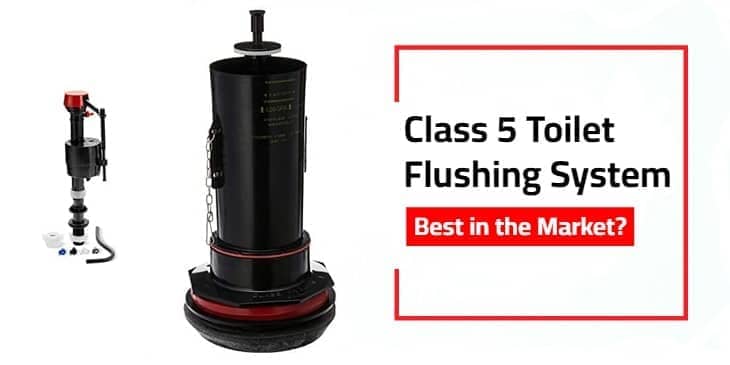
In 20+ years installing and repairing toilets, I’ve pulled more clogged trapways than I can count — nearly all caused by flush valves that simply don’t move enough water fast enough. The Class 5 toilet flushing system from Kohler fixes that problem with a 3.25-inch flush valve that generates high-speed flow most standard toilets never achieve. If your toilet clogs frequently, runs constantly, or leaves residue after every flush, this technology could be the permanent solution you’ve been missing.
This expert procedural guide explains exactly how the Class 5 toilet flushing system works, its real-world benefits for clog prevention and water savings, how it compares to standard flapper systems and Kohler’s newer AquaPiston, and delivers complete step-by-step instructions for troubleshooting and flush valve replacement. Written for homeowners who want professional results without guesswork, you’ll finish knowing precisely when to repair your existing Class 5 system yourself and when professional help is required.
The single biggest error is waiting until the flush becomes weak before doing anything. By then the canister seal has usually hardened or the yellow actuator disk has cracked, forcing multiple flushes and wasting hundreds of gallons of water per month. Catching early signs (slow refill, weak siphon, or slight running) lets you fix it in under 15 minutes instead of replacing the entire valve later.
This guide is written for homeowners whose Kohler toilets use the Class 5 flushing system (commonly found in Cimarron, Highline, and many Wellworth models introduced since 2004). It covers how the system works, troubleshooting, and flush valve replacement. Basic hand tools and moderate DIY comfort are assumed. It does NOT cover full toilet removal/installation, non-Kohler models, or structural plumbing repairs. If you see water on the floor or the tank is cracked, stop and call a licensed plumber immediately.
Tools and Materials Needed for Class 5 Flush Valve Work
You will need:
- Adjustable wrench and Phillips/flathead screwdriver
- Bucket and towels for spills
- Kohler-compatible canister flush valve seal or full canister assembly (model-specific; common GP1059291 seal or complete unit)
- Kohler GP1083167 or universal fill valve if also replacing the fill valve
- Silicone-based plumber’s grease (not petroleum jelly)
- Flashlight and small mirror for tight spaces
All replacement parts are available at major hardware stores or online plumbing suppliers. Always match the exact model number on your existing valve.
How the Class 5 Toilet Flushing System Works
Water enters through the fill valve until the tank reaches the proper level (usually marked on the overflow tube). The Class 5 system uses a large canister-style flush valve seated at the bottom of the tank. Unlike older flapper valves, the canister creates a wide 3.25-inch opening when activated.
Pressing the handle lifts the canister, releasing water through the oversized 3.25-inch valve (versus 2.8–3 inches in conventional toilets). This larger diameter creates dramatically higher flow speed. A direct-fed jet at the bowl base and an additional rim jet combine to generate powerful siphon action that pulls waste through the fully glazed trapway in one motion.
The surge of water fills the trapway, displaces air, and creates the siphon that empties the bowl. The canister drops back into place, sealing the tank. The fill valve then refills the tank quietly and efficiently. Most Class 5 models operate at 1.28 gallons per flush (GPF) and carry WaterSense certification.
Step-by-Step: How to Replace a Class 5 Flush Valve
Turn the water supply valve clockwise until it stops. Flush the toilet and hold the handle down to empty the tank as much as possible. Sponge out any remaining water. Place a towel under the tank connections.
Unscrew the nut or lift the locking tabs on top of the canister (some models have a red or yellow cap). Lift the entire canister straight up and out. Inspect the rubber seal at the bottom for cracks or hardening — this is the most common failure point.
Place the new seal (lubricated with silicone grease) onto the bottom of the new canister. Lower it straight into the tank opening so it seats firmly. Re-attach the top locking mechanism or nut hand-tight, then give it a quarter-turn with pliers — do not overtighten.
Turn the water supply back on. Let the tank fill completely. Flush several times and check for leaks around the valve base. Adjust the float arm or water level screw if the flush feels weak (aim for the marked fill line).
Red Flags — Stop and Call a Plumber
What Most Guides Miss About Class 5 Flushing Systems
Standard flapper valves (2–3 inch opening) rely on gravity alone and often leave residue or require double-flushing. The Class 5 3.25-inch canister creates faster velocity and a stronger siphon — exactly why these toilets score high on MaP (Maximum Performance) testing for bulk waste removal.
If your toilet is over 15 years old and you’ve already replaced the canister twice, or if you have extremely hard water that keeps mineralizing seals, upgrading to a newer AquaPiston model (with 360-degree water entry) will give longer-term reliability and quieter operation. Repairing an aging Class 5 system repeatedly is false economy.
| Class 5 vs AquaPiston vs Standard Flush — Quick Decision Matrix | ||||
|---|---|---|---|---|
| Condition | Standard Flapper | Class 5 Canister | AquaPiston | Winner |
| Clog prevention in high-use homes | Weak siphon | Strong 3.25″ flow | 360° coverage | AquaPiston (slight edge) |
| Water efficiency (1.28 GPF) | Often higher actual use | Excellent | Excellent + quieter | Class 5 / AquaPiston tie |
| DIY repair ease | Simple flapper swap | Canister easy | Canister easy | Class 5 / AquaPiston |
Frequently Asked Questions
What exactly is a Class 5 toilet flushing system?
The Class 5 toilet flushing system is Kohler’s gravity-fed canister technology featuring a 3.25-inch flush valve opening, direct jet, and rim wash jets. Introduced in 2004, it creates faster water velocity and stronger siphon action than standard flapper valves, delivering reliable bulk waste removal while using only 1.28 GPF in most models. It remains one of the most effective systems for clog prevention in everyday households.
How does Kohler Class 5 compare to AquaPiston flushing?
Class 5 uses a large canister and rim jet for powerful straight-down flow. AquaPiston (Kohler’s current flagship) adds 360-degree water entry and Venturi-inspired acceleration for even more complete bowl coverage and quieter operation. Both excel at clog prevention, but AquaPiston is the evolved version in newer one-piece and premium two-piece models. Class 5 is still excellent and easier to service in older toilets.
How do I know if my toilet has a Class 5 flushing system?
Look inside the tank for a large cylindrical canister flush valve (not a traditional flapper on a chain). Model numbers on the tank or the valve itself often reference Class Five or Cimarron/Highline series. The flush valve opening measures approximately 3.25 inches across when removed. If unsure, check the manufacturer tag or compare photos to official Kohler documentation.
What are the most common Class 5 flush valve problems?
The top issues are hardened or cracked canister seals causing constant running, the yellow actuator disk breaking (preventing proper lift), and mineral buildup restricting water level. These usually appear after 8–12 years of heavy use. Early signs include weak flushes or the tank taking longer than 30 seconds to refill. Replacing the seal or entire canister restores full performance in minutes.
Can I convert a standard toilet to Class 5 performance?
No. The Class 5 system requires a matching bowl design with the larger trapway, direct jet, and rim jet channels. Simply swapping the valve in a standard toilet will not deliver the same results because the bowl geometry is different. For best performance, choose a complete toilet equipped with Class 5 or upgrade to AquaPiston. See our best flushing toilets guide for current options.
Is the Class 5 system still worth buying in 2026?
Yes — especially for budget-conscious homeowners or those who prefer simple canister maintenance. It delivers outstanding MaP scores and WaterSense efficiency at a lower price point than many premium systems. If your household uses a lot of toilet paper or has frequent guests, a Class 5 toilet remains one of the most reliable clog-prevention choices available. For the absolute latest technology, AquaPiston models add refinement.
If your bathroom sees heavy daily use and you want maximum clog resistance without constant double-flushing → choose or maintain a Class 5 toilet flushing system.
If you experience repeated weak flushes after basic cleaning → replace the canister seal first before considering a full upgrade.
If your current Class 5 toilet is over 12 years old and showing multiple issues → evaluate an AquaPiston model for longer service life and quieter performance.
Kohler Class Five vs AquaPiston Flushing Systems
Kohler introduced Class 5 in 2004 as its first high-performance gravity system. The 3.25-inch valve and extra rim jet delivered a noticeable leap in flushing power over flapper designs. AquaPiston, released later, builds on the same canister principle but adds vertical 360-degree water entry and Venturi acceleration. Both are excellent, but AquaPiston edges ahead in bowl cleaning and noise reduction while Class 5 remains easier and cheaper to service in the field. See our full best Kohler toilets guide for current model recommendations.
For most households the performance difference is small. The real deciding factor is age of your existing toilet and how often you want to perform maintenance. Class 5 parts remain widely available and inexpensive.
Class 5 Flush Valve Replacement Parts and Costs
Genuine Kohler canister seals cost $8–15 while complete flush valve assemblies run $25–45. The popular GP1083167 fill valve kit for Class 5 models is around $20. Always buy genuine parts for perfect fit and warranty compliance. Aftermarket seals can work but often fail faster in hard-water areas. Total DIY repair cost stays under $50 versus $300+ for a professional house call.
Link to related maintenance: best toilet fill valve options if you decide to replace both valves at once for maximum reliability.
Clog Prevention Tips That Work with Any Class 5 Toilet
Even the best flushing system benefits from smart habits. Use only thin toilet paper or single-ply options (see our best single-ply toilet paper guide). Avoid “flushable” wipes — they never fully break down. Install a bidet attachment if your household uses large amounts of paper. Keep the trapway and rim jets clean with a toilet brush weekly. These habits extend the life of your Class 5 system dramatically.
For more performance advice, read our complete best flushing toilets guide or best dual-flush toilet comparison.
The Class 5 toilet flushing system remains a proven performer for reliable, powerful flushing with minimal maintenance when serviced correctly. Internal link: explore current Kohler models.
