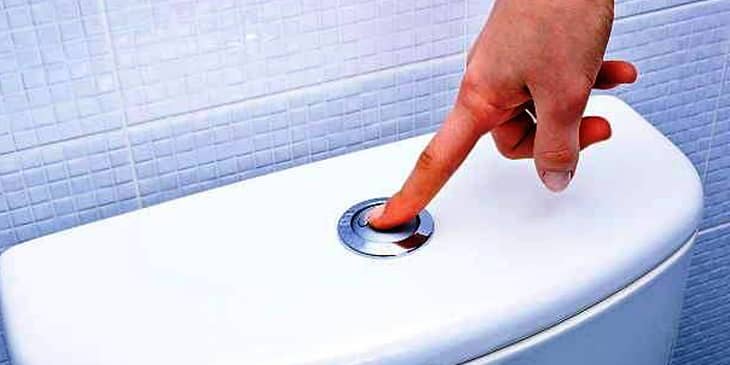
Most homeowners assume toilets stop working the moment the lights go out. The truth is simpler — and more important. Your toilet doesn’t need electricity to flush. Gravity and water pressure do the job. But during a blackout the real question becomes how many times you can flush safely and what to do when the tank stops refilling. Choose wrong and you risk a backed-up mess or running out of water precisely when you need it most.
This decision-guide resolves exactly that confusion for any home during a power outage. Whether you have city water, a private well, a septic system, or a pressure-assisted toilet, you will know the precise conditions that change the answer and the step-by-step actions that keep your plumbing working safely.
Common Mistake Most Homeowners Make
They keep flushing normally until the tank runs dry and then panic — or they pour water slowly into the bowl thinking it will trigger a flush. Slow pouring simply raises the water level without creating the siphon needed to clear the trapway. The result? A full bowl and wasted water with zero flush.
The 4 Conditions That Decide Whether You Can Flush During a Power Outage
Four factors determine your options: your water source, your toilet’s flush system, your waste disposal setup, and how long the outage lasts. Each one flips the answer from “flush normally” to “use the bucket method now.”
1. Municipal City Water + Gravity-Flush Toilet
If your home is on city water and you have a standard gravity-flush toilet (the vast majority of homes), you can flush normally — often indefinitely. Municipal water systems maintain pressure even during blackouts. The tank refills automatically after each flush using the same 1.28 or 1.6 GPF you use every day.
The only limit is overall water conservation for the whole house. You still get full siphon action through the trapway because gravity does all the work.
If your rough-in is 12 inches and your bowl is elongated or round, nothing changes. Flush as usual until authorities advise conserving water.
2. Private Well Water — Limited Flushes Only
Well systems rely on an electric pump. When power fails, the pump stops. You still have the water already stored in the pressure tank — typically 20–40 gallons of reserve. A standard 1.6 GPF toilet gives you roughly 12–25 flushes before the tank pressure drops too low to refill the toilet tank.
After that, switch immediately to the bucket method. Do not keep trying the handle — you will only waste the remaining pressure.
3. Pressure-Assisted or Power-Flush Toilets
Pressure-assisted toilets use a sealed vessel inside the tank that compresses air with incoming water pressure. During an outage they still deliver 2–4 strong flushes using stored pressure. After that, the vessel will not recharge without electricity or water pressure.
Important: pouring water directly into the bowl does NOT reliably flush a pressure-assisted model the same way it does a gravity toilet. Lift the lid and manually lift the flapper or use the bucket method carefully into the bowl only after confirming your model allows it.
4. Septic Systems, Basements & Ejector Pumps
Gravity septic and city sewer lines work fine without power. But if your home has a sewage ejector pump (common in basements or low-lying lots), stop flushing once the pump chamber is full. Continued flushing risks sewage backup into the house.
Aerobic treatment units or advanced septic systems with pumps also require conservation until power returns.
When the Answer Flips — When to Skip Flushing Entirely
If you have a basement toilet with an ejector pump and no generator backup, or if your septic pump tank alarm is sounding, do not flush. Use an alternative toilet (camping toilet, bucket with liner, or neighbor’s upstairs bathroom) until power returns. Continuing risks thousands in water damage and plumbing repair.
The Bucket Flush Method That Actually Works
When the tank no longer refills, the bucket method is your reliable backup. Fill a bucket or large container with 1.5–2 gallons of water (bathtub, rain barrel, or stored emergency supply). Hold the bucket at waist height and pour the water quickly and directly into the center of the bowl.
The sudden volume creates the siphon effect through the trapway exactly like a normal flush. Slowly add the remaining half-gallon to refill the bowl for the next use. This method works on any gravity-flush toilet regardless of GPF rating or bowl shape.
Pro Tip from 20 Years Installing Toilets
Fill your bathtub with water at the first sign of an outage. One full tub gives you 40–60 manual flushes — more than enough for a typical family through a multi-day blackout.
Emergency Water Storage Strategies for Toilet Flushing During Power Outages
Storing the right amount of water before or at the start of an outage turns a stressful situation into a manageable one. A typical household of four uses roughly 1.6 gallons per flush. For three days of conservative use (4–6 flushes per person per day) you need 80–120 gallons total for toilet flushing alone.
The bathtub is your fastest and largest storage option — a standard 60-inch tub holds 40–60 gallons when filled to 6–8 inches. Fill it immediately when the power flickers. Supplement with clean 5-gallon food-grade water jugs, rain barrels (if you already have them), or even the water heater (turn off the gas or electric element first and open the drain valve at the bottom).
Store extra water in the bathroom itself so you never have to carry heavy buckets far. Label containers clearly and rotate them every six months so the water stays fresh. With 100+ gallons stored you can flush normally for days even on well water or during a long blackout.
Quick Water Storage Math
• 1.6 GPF toilet × 5 people × 5 flushes/day = 40 gallons per day
• 3-day outage = 120 gallons minimum
• Bathtub (filled 8 inches) = 50 gallons
• Ten 5-gallon jugs = 50 gallons
Total stored = enough to keep flushing without panic.
Decision Matrix — Your Exact Situation at a Glance
| Your Setup | Can You Flush Normally? | How Many Flushes? | Switch to Bucket? | When to Stop Completely |
|---|---|---|---|---|
| City water + gravity toilet | Yes | Unlimited (conserve water) | Only if advised | Never — unless sewer backup warning |
| Well water + gravity toilet | Yes at first | 12–25 (pressure tank reserve) | After pressure drops | If septic pump tank full |
| Pressure-assisted toilet | Yes at first | 2–4 strong flushes | Yes — carefully | If vessel will not recharge |
| Basement + ejector pump | Only until chamber full | Limited | No — risk backup | Immediately if pump alarm sounds |
Unique Insights Most Guides Miss About Power-Outage Toilet Use
Competitor articles stop at “use a bucket.” They rarely explain the exact gallons, the difference between gravity and pressure-assisted performance, or the real septic risks when pumps are involved. Here is the deeper guidance every homeowner actually needs.
Prep in 60 Seconds
Keep a dedicated 5-gallon bucket with lid next to the toilet and a gallon jug of water in the bathroom closet. One minute of prep prevents days of stress.
High-Tech Toilets & Bidets
If your toilet has electric flush assist, heated seat, or auto-open lid, those features stop working. The basic gravity flush mechanism still operates manually. See our guide to best flushing toilets for models that perform reliably in emergencies.
Long Outages & Water Conservation
If the outage lasts longer than 24 hours, flush only when solid waste is present. Liquids can go in a separate lined bucket to stretch your supply.
Detailed Septic System Flushing During a Power Outage
Standard gravity septic systems need zero electricity. Waste flows by gravity into the tank and then to the drain field exactly as it does every day. A typical 1,000–1,500 gallon septic tank for a 3–4 bedroom home can safely handle normal flushing for 2–4 days before the bacteria need time to process the waste. You can continue using your 1.28–1.6 GPF toilet — but cut flushing frequency in half to avoid overloading the system during the outage.
Pumped septic systems or aerobic treatment units are completely different. The electric lift station or effluent pump stops the moment power fails. Most pump chambers hold only 40–100 gallons — that is just 20–60 flushes before the chamber is full and sewage begins backing up into the lowest fixture in the house. Once the alarm sounds or you hear gurgling in nearby drains, the system is already at capacity.
Switch to the bucket method immediately in pumped systems. Use it only for solid waste if possible and route urine to a separate lined container. This keeps the pump chamber from filling and prevents $2,000–$8,000 in professional cleanup and repair costs when power returns.
Red Flags — Stop Flushing Immediately
• Septic pump alarm is beeping or flashing
• Toilet takes longer than 30 seconds to drain after a flush
• Gurgling sounds in nearby drains or the septic access lid
• Foul odor suddenly appears near floor drains
Any of these means the pump chamber is full — keep flushing and you risk thousands in water damage and plumbing repair.
Emergency Toilet Alternatives When Power Is Out
When the bucket method is no longer practical or your septic pump chamber is full, switch to a true emergency toilet setup. The simplest solution is a 5-gallon bucket fitted with a standard toilet seat (the same seat you already own works perfectly). Line it with two heavy-duty 13-gallon trash bags for easy disposal.
Add 1–2 cups of kitty litter, sawdust, or wood shavings after each use to control odor and absorb moisture. Seal the bag tightly and store outside until collection service resumes. This system handles both liquid and solid waste safely for days or weeks.
For longer outages, a portable camping toilet with chemical holding tank and deodorizing packets gives a more comfortable experience. These units hold 5–7 gallons and require no plumbing. Empty them into an approved sanitary station or bury contents at least 200 feet from water sources when safe to do so.
Quick-Start Emergency Kit Checklist
• 5-gallon bucket + toilet seat lid
• Box of heavy-duty trash bags (double-bag every use)
• Kitty litter or sawdust (10 lb bag)
• Portable hand sanitizer and wipes
• Extra water storage (bathtub + jugs)
Keep everything in one bathroom closet so you can set it up in under 3 minutes.
Frequently Asked Questions
Can you flush the toilet when the power is out?
Yes in most cases. Gravity-flush toilets work without electricity because the flush relies on water weight and siphon action through the trapway. The only variables are whether your water supply can refill the tank and whether your waste system can handle continued use. Municipal water + gravity toilet = normal flushing. Well water = limited flushes then bucket method.
How many times can you flush a toilet without power?
With city water and a 1.6 GPF gravity toilet you can flush as needed while conserving overall household water. On well water you typically get 12–25 flushes from the pressure tank reserve before switching to the bucket method. Pressure-assisted models give only 2–4 flushes before the vessel loses pressure. Always monitor your specific setup.
How to flush the toilet when the power is out and no water pressure?
Use the bucket method: pour 1.5–2 gallons of water quickly into the center of the bowl from waist height. The sudden volume triggers the siphon exactly like a normal flush. This works on any gravity toilet regardless of rough-in size, bowl shape, or GPF rating. Keep extra water stored in the bathtub or rain barrels for extended outages.
Do toilets work during a power outage with a septic system?
Standard gravity septic systems work perfectly without power. The tank and drain field operate by gravity. However, if your septic has an electric pump to move effluent to the drain field, conserve water aggressively. Continued flushing fills the pump chamber and can cause backups until power returns. Learn more in our toilet installation cost guide which covers septic considerations.
Can you flush a toilet without running water?
Absolutely — the bucket method is the proven solution. Even with zero water pressure from the supply line, 1.5–2 gallons poured rapidly into the bowl creates the necessary siphon to clear the trapway and send waste down the line. This technique has been used safely for decades in emergencies and works on round-front, elongated, comfort-height, and standard toilets alike.
What about pressure-assisted toilets during a blackout?
They deliver 2–4 powerful flushes using stored air pressure in the internal vessel. After that the vessel cannot recharge without water pressure. Manual bucket flushing is still possible but less effective than on gravity models. If you own a pressure-assisted unit, consider keeping a spare gravity-flush toilet on hand for true emergency reliability — see our comparison of best dual-flush toilets that balance performance and outage resilience.
Verdict — Your 3-Condition Action Plan
If you have municipal water and a gravity-flush toilet → flush normally and conserve household water.
If you are on well water or have limited tank reserve → flush normally until pressure drops, then switch immediately to the 1.5–2 gallon bucket method.
If you have a basement ejector pump, septic pump, or pressure-assisted toilet with no backup power → conserve aggressively and stop flushing when the chamber or vessel is exhausted to avoid backups.
How to Flush the Toilet When the Power Is Out — Bucket Method Step-by-Step
The bucket method is the single most reliable technique when your toilet tank stops refilling. It works on every standard gravity-flush toilet regardless of brand, GPF rating, or bowl shape. Prepare the water in advance and you will never be caught without a working toilet during any outage.
See also our full guide to best flushing toilets for models that perform best when the power goes out.
Can You Flush the Toilet During a Power Outage With a Septic System?
Yes — as long as you conserve water. Gravity septic systems need no electricity. The waste moves by gravity into the tank and then to the drain field. The only time you must stop is if your system uses an electric pump to lift effluent. In that case keep flushing to a minimum and monitor the pump chamber level. Pair this knowledge with our one-piece vs two-piece toilet guide when choosing replacement models that work reliably off-grid.
Power Outage Toilet Not Refilling — What to Do Next
When the tank stops refilling the solution is simple: switch to manual bucket flushing. Store extra water in the bathtub at the first sign of trouble. A single full tub provides enough for dozens of flushes. This approach works whether you have comfort height, elongated, round, or any other standard configuration. For long-term peace of mind explore our best comfort height toilet recommendations that balance daily use with emergency reliability.
During any power outage your toilet remains one of the most reliable fixtures in the house — provided you know the exact conditions that apply to your home. Follow the decision matrix above, keep a bucket ready, and you will stay ahead of the problem every single time.
