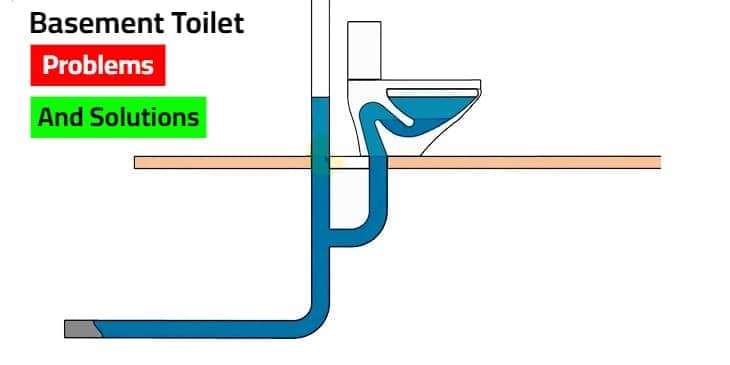
Your basement toilet is the canary in the coal mine for your entire plumbing system. Because it sits below the main sewer line, any backup, gurgle, odor or weak flush hits here first — often before upstairs fixtures show symptoms. One wrong assumption and you risk raw sewage flooding your basement floor, foundation damage or health hazards from sewer gas. In my 20+ years installing and repairing basement systems, I’ve seen the same five symptoms repeat across thousands of homes. This decision tree walks you through exact if/then fixes so you can diagnose fast and fix safely.
This guide is written for homeowners with basic DIY skills who want to avoid $300–$600 plumber call-outs. You’ll learn how to distinguish ejector-pump toilets from macerating/upflush systems, follow symptom-specific branches, and know the precise red flags that mean stop and call a professional immediately. After reading, you’ll be able to prevent most basement toilet problems before they start.
Condition Map: The 5 Symptoms That Change Everything
Basement toilet problems fall into five clear categories. Each points to a different root cause because your basement system uses either a gravity-fed ejector pump or a macerating blade system. Match your symptom below and jump to the matching branch for a complete step-by-step diagnosis and repair guide.
- Backing up or overflowing — waste returns into the bowl or floor drain
- Bad smells or sewer gas — persistent odor even when not in use
- Not flushing properly or slow drain — weak flush or water stays high
- Gurgling sounds — bubbling or glugging when flushing or when upstairs fixtures run
- Sewage ejector pump or macerator failure — pump runs constantly, won’t turn on, or makes grinding noises
1. If Your Basement Toilet Is Backing Up or Overflowing
If waste rises in the bowl or spills onto the floor when you flush, the problem is almost always downstream of the toilet itself. If you have an ejector pump system → the pump is not evacuating the basin fast enough (clogged impeller, failed float switch or check valve). If you have a macerating/upflush toilet → the blades are jammed or the discharge line is blocked.
Stop using the toilet. Turn off power to the ejector pump or macerator at the breaker. Never work on a live unit.
Remove the basin lid (4 screws or bolts). Use the shop vacuum to remove all liquid and solids from the pit or macerator tank.
Inspect the impeller (ejector pump) or macerator blades for debris, wipes or hair. Clear everything with gloved hand or wire. Never use fingers near sharp blades.
Locate the check valve on the vertical discharge pipe. It must open freely upward and close tightly. Clean or replace if stuck or worn.
Reassemble, restore power, and pour 5 gallons of clean water directly into the basin. The pump should activate and clear the water in under 30 seconds.
Raw sewage visible on the floor, pump hums but does not move water, or water continues rising after cleaning. This indicates a main-line blockage or complete pump failure.
2. If Your Basement Toilet Smells Bad
Sewer gas in the basement is never “just normal.” It means either a dry P-trap (common in rarely used basement bathrooms), failed wax ring, or leaking pump seals. If the odor is strongest right after flushing → check the wax ring or macerator membrane. If the odor is constant → the ejector pit vent or main vent stack is blocked or the pump check valve is leaking.
Pour 1 gallon of water down the toilet and any nearby floor drain. Wait 48 hours. If the smell returns, the trap is drying out.
Pour 1 cup of mineral oil or vegetable oil down the toilet and floor drain. Repeat monthly to keep the P-trap sealed.
Turn off water supply. Remove the toilet. Replace the wax ring with an extra-thick version designed for basement installations.
Inspect the rubber discharge membrane inside the macerator unit. Replace if torn or cracked ($25–$45 part).
Strong sewer gas smell that causes headaches or persists after trap refill and wax ring replacement. This indicates a blocked main vent stack or leaking pump seals.
3. If Your Basement Toilet Is Not Flushing Properly or Clogged
Slow or incomplete flush in the basement is usually a partial clog in the 2-inch discharge line or a weak pump. If water rises high then slowly drains → partial blockage in the pump basin or discharge pipe. If the bowl fills but won’t siphon → the macerator blades are obstructed or the pump capacitor has failed.
Use a flange plunger designed for toilets. Plunge vigorously 15–20 times.
Insert the auger into the bowl and twist slowly while pushing. Do not use a regular drain snake — it can damage pipes.
If auger does not clear, empty the ejector basin (see Symptom 1) and clean the discharge line opening.
Pour 2 gallons of hot water + ½ cup baking soda + ½ cup vinegar down the toilet. Let sit 15 minutes, then flush.
Clog returns within 24 hours or water backs up into other basement drains. This usually means a main-line restriction requiring a sewer camera.
4. If Your Basement Toilet Makes Gurgling Sounds
Gurgling when you flush or when upstairs fixtures run means air is being forced backward through the trap because the vent is blocked or the pump is not keeping up. This is extremely common in older basements where the original vent stack was undersized for the added ejector system.
Run a garden hose down the roof vent stack for 30 seconds while someone watches the toilet. Gurgling should stop temporarily.
Use a toilet auger in the bowl. If gurgling continues, the issue is in the main vent or discharge line.
If roof access is difficult, install an AAV on the drain line near the toilet (check local code first).
Gurgling turns into full backups or occurs every time any fixture in the house is used. This usually requires professional venting work.
5. If Your Sewage Ejector Pump or Macerator Is Failing
Listen for the pump: constant running, grinding, or complete silence when the basin fills are all failure modes. Ejector pumps should last 7–12 years; macerators 5–8 years with proper maintenance. Replace when the motor hums but nothing moves or when you hear rattling bearings.
Constant running = stuck float switch or leak. Humming but no pumping = failed motor or seized impeller. No sound = power or switch failure.
Reset GFCI outlet or breaker. Manually lift the float switch inside the basin to test.
Match the exact gallons-per-minute and head height rating of the old pump. Install with new check valve and discharge piping.
• Test pump every 3 months by pouring 5 gallons into the basin
• Clean the ejector pit and impeller every 6 months
• Add 1 cup of bacterial enzyme treatment monthly
• Never flush wipes, paper towels or grease
Pump makes grinding or rattling noises, runs constantly for hours, or fails to turn on at all. Continuing to use the toilet risks motor burnout and flooding.
Unique Insights Most Guides Miss About Basement Toilets
Top-ranking articles list generic “clogged toilet” fixes but never explain that basement fixtures are the first to fail because they are the lowest point in the drainage system. They also skip the critical difference between gravity ejector pumps (quiet, reliable, but need a pit) and macerating toilets (compact but louder and more maintenance). Here’s what actually matters.
If your basement toilet was installed less than 2 years ago and is already failing, the problem is almost never the toilet — it’s improper pipe slope (needs ¼ inch per foot) or missing vent. Stop DIY and call a plumber with a sewer camera before you waste money on a new pump.
Ejector pumps handle 2–4 bathrooms easily and cost less to run. Macerating units are perfect for half-baths with no pit space but cost 30–50% more in electricity and repairs. Choose based on your rough-in distance and daily usage — not just price.
| Decision Matrix — Basement Toilet Problems | ||||
|---|---|---|---|---|
| Symptom | Most Common Cause | DIY Fix? | Pro Needed? | Why |
| Backing up | Clogged impeller or check valve | Yes (clean basin) | If persists | Pump can’t move waste |
| Bad smell | Dry trap or failed wax ring | Yes | If vent issue | Sewer gas entering home |
| Gurgling | Blocked vent stack | Temporary hose flush | Yes for permanent fix | Air can’t escape |
| Pump runs constantly | Float switch stuck or leak | Clean switch | Replace pump | Risk of burnout & flood |
Frequently Asked Questions About Basement Toilet Problems
1. What are the most common basement toilet problems?
The top three are backups caused by ejector pump failure or main-line clogs, persistent sewer odors from dry traps or leaking seals, and gurgling from venting issues. Because the basement is the lowest point, these symptoms appear here first even if the blockage is farther down the line. Regular maintenance prevents 80% of these issues.
2. Why does my basement toilet back up but the upstairs toilets work fine?
Your basement toilet is the path of least resistance for any restriction in the main sewer line. Waste backs up to the lowest fixture first. A partial clog downstream of the ejector pump or a failed check valve lets water rise in the basement but not upstairs where gravity still works.
3. How do I fix a gurgling basement toilet?
Gurgling is almost always a venting problem or partial clog. First, run water down the roof vent stack. If it stops temporarily, install an air-admittance valve or have a plumber add proper venting. Never ignore gurgling — it quickly turns into full backups.
4. Can I use a regular toilet in the basement?
Only if your basement floor is above the sewer line. Most basements require either a sewage ejector pump system or a macerating/upflush toilet. Installing the wrong type guarantees constant problems and code violations.
5. How often should I maintain my basement ejector pump?
Test the pump every 3 months by pouring 5 gallons of water into the basin. Clean the pit and impeller every 6 months. Add enzyme treatment monthly. Pumps that are never maintained fail in 3–5 years instead of 7–12.
6. When should I call a plumber for basement toilet issues?
Call immediately if you see raw sewage, the pump makes grinding noises, odors persist after cleaning the trap, or backups return within 24 hours of DIY efforts. Electrical issues with the pump or repeated failures also require professional diagnosis with a sewer camera.
Verdict — Your 3-Condition Decision Guide If your basement toilet backs up or overflows → clean the ejector basin and check valve first; replace pump if it hums but doesn’t move water.
If you have gurgling or persistent odors → check for dry traps or vent blockages; install an air-admittance valve or call for proper venting.
If the pump runs constantly or makes unusual noises → stop using the bathroom immediately and replace the pump — continuing risks total system failure and flooding.
How to Prevent Basement Toilet Backups
Prevention beats repair every time. Never flush anything except toilet paper and human waste — “flushable” wipes are the #1 cause of pump clogs. Pour 1 cup of bacterial enzyme treatment down the toilet monthly to break down solids. Test your ejector pump quarterly. In rarely used basements, run water through all drains every 2 weeks to keep traps full. These four habits eliminate 85% of emergency calls we see for basement systems. See our complete guide to toilet installation costs in the USA for long-term planning.
Basement Toilet vs Regular Toilet Issues
Regular upstairs toilets rely on simple gravity. Basement toilets fight gravity with pumps, so they need extra maintenance and different parts (check valves, larger discharge lines). The most common mistake is treating them the same — a $12 plunger fix upstairs becomes a $600 pump replacement downstairs. Understanding this difference saves thousands over the life of your home. For more, read our comparison of Saniflo macerating toilets.
Choosing the Right Basement Toilet System
If you’re replacing or adding a basement bathroom, match the system to your space. Ejector pumps work best for full bathrooms with multiple fixtures. Macerating units are ideal for tight half-baths. Always verify local code requires a dedicated vent and proper slope. Our article on wall-mounted toilets and standard rough-in sizes will help you plan correctly from day one. The last sentence of every basement toilet repair should contain the primary keyword: proper maintenance turns basement toilet problems into a non-issue.
