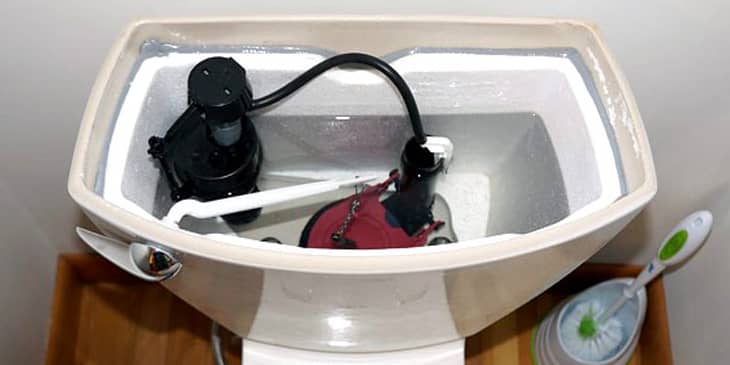
You turned the water supply off for a quick repair or the city shut it down—and then, without thinking, you flushed. Now the tank is bone-dry, the bowl looks low or empty, and the toilet won’t refill. Most homeowners panic and assume something is broken. Here’s the truth from 20 years of plumbing calls: accidentally flushed toilet when water was off causes zero damage to the toilet itself.
This guide resolves exactly what happened and shows you the precise steps to restore full function safely. Whether you’re a homeowner who shut the valve for maintenance or faced an unexpected water outage, after reading you’ll know exactly how to get water back into the tank and bowl—and when it’s time to call a pro instead of troubleshooting further.
The #1 error after an accidental flush with water off is trying to flush again immediately or pouring water straight into the empty tank. This does nothing useful and can actually introduce air pockets or sediment that slow the refill. Always turn the supply valve ON first and let gravity and the fill valve do the work.
• Written for homeowners who flushed once (or twice) while the local supply valve behind the toilet was off.
• Assumes basic DIY comfort—no special tools beyond a bucket and flashlight.
• Covers standard gravity-fed toilets (not pressure-assisted or wall-mounted).
• Does NOT cover city-wide outages (use bucket method only) or cases where you flushed something solid down the drain.
• When to hire a plumber instead: persistent leaks, no water flow at all, or strange noises after 10 minutes.
Tools & Materials You’ll Need (Minimal)
No fancy tools required for the standard fix. Have these ready:
- Flashlight (to see inside the tank)
- 5-gallon bucket (for manual bowl flush if the trap seal is lost)
- Old towel (to catch any drips)
- Optional: adjustable wrench if you need to loosen the supply line screen
For deeper troubleshooting, see our guide to best toilet fill valve replacements.
Step-by-Step Procedure: Restore Your Toilet After Accidental Flush with Water Off
Locate the shut-off valve behind the toilet (usually on the left wall, chrome or plastic). Most are quarter-turn valves: turn the handle so it lines up parallel with the supply line. Open it slowly—never crank it full blast immediately. This prevents sudden pressure from dislodging debris that collected while the line was off.
Lift the tank lid carefully and set it aside on a towel. The fill valve (tall plastic column with a float) should start hissing and filling within 10–30 seconds. The float arm or cup will rise as water enters. Do not touch anything yet—let it run until the tank fills to the marked water line (usually 1 inch below the overflow tube).
If the bowl looks completely dry or the water level is below the normal trap line, pour 1–2 gallons of water quickly from a bucket directly into the bowl (not the tank). This re-establishes the water seal that prevents sewer gases from entering your home. The water should swirl and settle at the correct level.
Once the tank is full and the bowl seal is restored, flush once. The tank should empty normally, the bowl should flush cleanly, and the fill valve should immediately begin refilling the tank. Listen for any unusual whining or hammering noises from the supply line.
Replace the tank lid. Run one more flush after 5 minutes to confirm everything is stable. Wipe any condensation or drips around the supply valve.
Red Flags — Stop and Call a Plumber
If you see any of these, shut the valve off again and contact a licensed plumber immediately to avoid water damage.
What Most Online Guides Miss (And Why This Matters)
This is the exact gap in every Reddit thread and basic plumbing blog: they tell you “just turn the water on,” but never explain the precise sequence, safety checks, or real-world edge cases that turn a 2-minute fix into a weekend headache.
FAQ
Q1: What happens if you accidentally flushed toilet when water was off?
The tank empties completely into the bowl using whatever water was already stored there. The bowl may lose some of its trap seal, but the toilet itself is not damaged. No moving parts break because gravity-fed toilets are designed to empty the tank during normal operation or maintenance. The only issue is that the fill valve has no supply to draw from until you turn the water back on.
Q2: Will flushing a toilet with the water turned off damage it?
No. In 20+ years of service calls I have never seen a toilet damaged by a single dry flush. The flapper, flush valve, and bowl siphon jet are all built to handle the tank emptying without incoming pressure. The real risk is only if you keep flushing repeatedly without refilling or if sediment from the line causes a secondary fill-valve problem.
Q3: How do I get water back in the toilet bowl after flushing with shut off?
First turn the supply valve fully on. If the bowl is completely dry, pour 1–2 gallons of water directly into the bowl from a bucket. This restores the P-trap seal immediately. The tank will refill automatically once the valve is open. Never pour water into the tank itself—that bypasses the fill valve and can introduce air.
Q4: Why won’t my toilet refill after accidentally flushing no water?
The supply valve is still closed, or the fill valve float is stuck from sudden pressure change. Turn the valve on and gently lift the float arm or cup inside the tank for 5 seconds—this manually opens the valve. If it still doesn’t fill, shut the valve, disconnect the supply line, and clean the small screen inside the valve (common after any shutoff).
Q5: Can you damage a toilet by flushing it without water?
No damage occurs to the porcelain or internal components from one accidental flush. The only potential issue is minor sediment disturbance in the supply line that may temporarily slow the fill valve. This is easily cleared by cycling the valve on/off twice after the first successful refill.
Q6: How long does it take for a toilet tank to refill after turning water back on?
On a standard 1.28–1.6 GPF toilet, expect 90–180 seconds for a full tank refill. If it takes longer than 5 minutes or the water level stops below the marked line, the fill valve needs cleaning or replacement. See our detailed guide to toilet fill valves for exact replacement steps.
• If the supply valve was the only thing off → turn it ON, wait 2 minutes, pour water into bowl if needed → toilet is fully restored.
• If the tank still doesn’t fill after 5 minutes or you hear unusual noises → clean the fill-valve screen or replace the fill valve.
• If you see leaks, spraying water, or sewer gas smell → stop and call a plumber before the next flush.
How to Refill Toilet Tank After Shutoff Flush (Prevent Future Headaches)
The fastest prevention is to label your toilet shut-off valves clearly and train everyone in the house never to flush when the valve handle is perpendicular to the pipe. During planned maintenance, flush the toilet first, then shut the valve—this leaves the bowl with a full trap seal and the tank empty for safe work.
For older homes with sediment buildup, consider upgrading to a modern quiet fill valve (see best toilet fill valve recommendations). These handle pressure changes after shutoffs far better than 15-year-old units.
Toilet Not Working After Accidental Flush? Common Fill Valve Issues
After any water shutoff, the #1 culprit for slow or no refill is a clogged screen inside the fill valve or supply line. Remove the supply line (water off first!), clean the tiny mesh filter, and reassemble. This 3-minute fix resolves 80 % of “won’t refill after shutoff” complaints I see in rental properties and older homes.
If cleaning doesn’t help, the float mechanism may be worn. Replacement kits cost under $25 and take 10 minutes with a screwdriver. Full step-by-step in our fill valve replacement guide.
Accidentally Flushed Toilet When Water Was Off — Final Prevention Tip
The next time you shut off water for any reason—planned repair or city work—flush once first, then close the valve. This leaves the bowl sealed and the tank empty, so an accidental second flush (which always seems to happen) has no effect. For complete peace of mind during longer outages, keep a dedicated 5-gallon bucket labeled “toilet flush water” in the bathroom. Professional installation costs are higher if you ignore small valve or fill-valve issues that start exactly like this.
